Bordeaux · Saint-Émilion · AOC
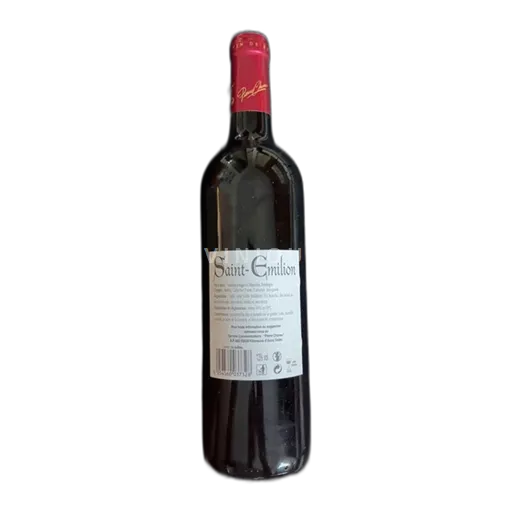
| Packaging | Bottle (75cl) |
|---|---|
| Style | Wine |
| Colour | Red |
| Vintage | 2014 |
| Country | France |
| Type of Appellation | AOC |
| Region | Bordeaux |
| Appellation | Saint-Émilion |
| Estate | Sieur d'Arces |
| Alcohol by volume | 13 % |
| Current phase |
Decline
|
Between £14 and £16
Bottle (75cl) · Valuation · Jun 2026
The values displayed here are estimates provided by users of the Viniou app and do not represent a sale offer.
Your wine cellar deserves better than Excel
★ 4.8 · 261,614 users
Manage your wine cellar now
Try ViniouDiscover more with Viniou
| Grape variety | Percentage |
|---|---|
| Merlot | 80 % |
| Cabernet Franc | 15 % |
| Cabernet Sauvignon | 5 % |
The dishes that pair best with this wine.
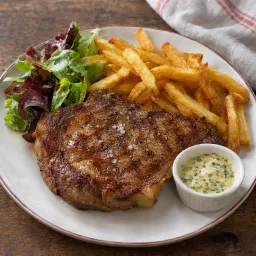
Grilled ribeye98 %
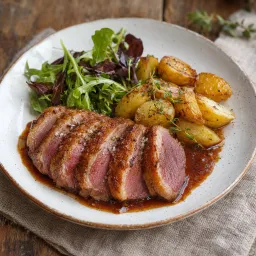
Duck breast97 %
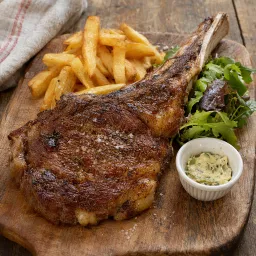
Rib of beef.97 %
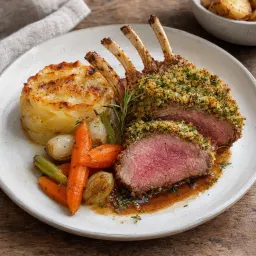
Rack of lamb95 %
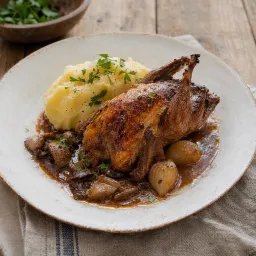
Roast pigeon94 %
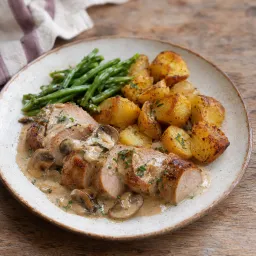
Pork tenderloin91 %
Grilled ribeye : The structure of the 2014 Saint-Émilion, with its velvety tannins and dark fruit notes, perfectly matches the richness and fat of a good grilled ribeye steak. The fire-cooked meat brings smoky aromas that echo the wine's maturity and subtle oak character.
What wine goes with grilled ribeye steak? All pairings ›Jun 2026
Sieur d'Arces 2014, originating from the renowned Saint-Émilion appellation in Bordeaux, presents itself as a classic Bordeaux red. While the precise grape composition for this cuvée is not specified, Saint-Émilion reds are typically blends dominated by Merlot, possibly supported by Cabernet Franc, and sometimes a touch of Cabernet Sauvignon. The 2014 vintage is recognised in the region for producing wines with good structure and balance, benefiting from a growing season marked by a cool summer and a dry, favourable autumn, allowing for measured ripening. The style of this wine is expected to be medium to full-bodied, with aromas of ripe dark fruits such as plum and blackberry, complemented by subtle notes of spice, tobacco and perhaps a hint of earthiness, hallmarks of quality Bordeaux vinification with some bottle age.
Saint-Émilion sits on Bordeaux's right bank, an area rich in history and terroir diversity. The region's rolling hills are composed of clay and limestone soils, which are particularly well-suited to Merlot and produce wines of notable depth and elegance. The climate here is moderate and Atlantic-influenced, contributing to the freshness and aromatic complexity of the reds. Saint-Émilion itself is a UNESCO World Heritage site, celebrated for centuries-old winemaking traditions and its picturesque medieval village, offering a tangible sense of place to its wines.
For food pairings, a Saint-Émilion such as Sieur d'Arces 2014 would shine alongside classic French dishes like entrecôte bordelaise (rib steak with a red wine shallot sauce), roasted lamb with rosemary, or duck breast. The wine’s interplay of fruit and savoury notes also pairs beautifully with earthy dishes such as wild mushroom risotto. Local dishes from the south-west of France, like confit de canard or cassoulet, would also make for authentic accompaniments.
For optimal enjoyment, it is recommended to serve this wine at 16-18°C. Decanting for an hour before serving can help it express its full aromatic potential, especially considering its years of maturation. The 2014 vintage is presently drinking well but could continue to develop with a few more years of cellaring if desired.
Optimise the management of your Wine cellar with Viniou!
Track, organise and discover your Wine with ease.
Do you know exactly where every bottle in your wine cellar is? 🍷
With Viniou, yes.
Add your wines, recreate your cellar in 3D and store each bottle exactly where it is in real life.
One glance at Viniou, and you know what to drink… and where to find it.
All the information you see here on the bottle Wine Saint-Émilion Sieur d'Arces - 2014 can be added automatically to your own Wine via the Viniou app by simply entering the name of your Wine or scanning its label. Take advantage of our wine cellar management tool to create and organise your personalised Wine records in no time.
We use cookies to measure our site's audience and improve its content.
Would you like to enable them?