Normandy · Unspecified · IGP
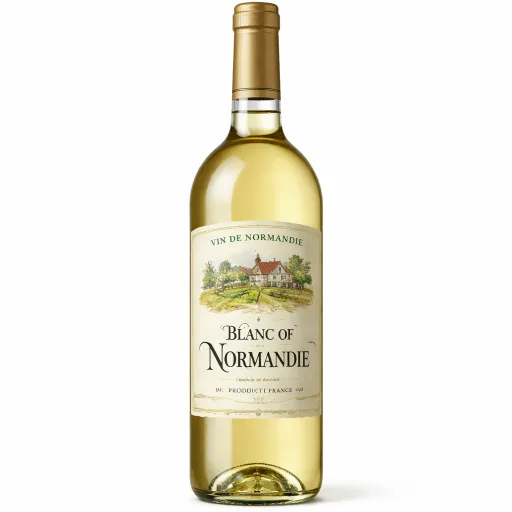
| Packaging | Bottle (75cl) |
|---|---|
| Style | Wine |
| Subtype | Sweet wine |
| Colour | White |
| Vintage | Non-Vintage |
| Country | France |
| Type of Appellation | IGP |
| Region | Normandy |
| Appellation | Unspecified |
| Estate | Begena Tedj |
Between £12 and £13
Bottle (75cl) · Valuation · Sept 2025
The values displayed here are estimates provided by users of the Viniou app and do not represent a sale offer.
Discover more with Viniou
Your wine cellar deserves better than Excel
★ 4.8 · 250,000 users
Manage your wine cellar now
Try ViniouSept 2025
Begena Tedj is a rather unique wine to encounter in Normandy, France—a region more widely celebrated for its cider and Calvados than for vin doux naturels or sweet wines. This particular wine is non-vintage, which often implies a blend of several harvests to achieve a consistent house style. As a sweet white ("liquoreux"), its production typically involves extended hang time on the vine to concentrate sugars, or potentially the addition of grape must or honey, especially in traditional or artisanal bottlings often found in lesser-known French regions. Without specific varietal information, it's likely produced from grapes adapted to Normandy’s cooler, maritime climate; these might include hybrids or northern varieties capable of ripening despite relatively modest sunshine.
Normandy itself is notable for its rolling hills, clay-limestone soils, and oceanic influences, with a cool, damp climate that's generally more favourable to apples and pears than to grapes. Despite this, a small but passionate community of winemakers is reviving viticulture in the region, often with a nod to ancient traditions brought by Roman or Viking settlers. The use of honey in products like "Tedj" hints at mead-like inspirations, suggesting this bottling may occupy an intriguing crossroads between wine and hydromel, Normandy being at the northern edge of France’s winemaking map.
For food pairings, consider the wine’s rich sweetness and likely honeyed character. Such a profile pairs beautifully with local Normandy cheese like Camembert or Livarot; the sweetness will offset the cheeses’ earthy, creamy textures. It will also flatter classic regional desserts such as tarte normande with apples and almonds, or a simple pairing with fresh pears and honey. Due to its likely bold flavours, you could also match it with foie gras, where the wine’s acidity and sweetness lift the richness of the dish.
Serve Begena Tedj well-chilled, ideally at 6-8°C. Pour into small dessert wine glasses to focus the aromas, and take some time to let it open in the glass—its complex, sweet character will reward slow appreciation, especially alongside a thoughtfully chosen cheese or dessert plate.
Optimise the management of your Wine cellar with Viniou!
Track, organise and discover your Wine with ease.
Do you know exactly where every bottle in your wine cellar is? 🍷
With Viniou, yes.
Add your wines, recreate your cellar in 3D and store each bottle exactly where it is in real life.
One glance at Viniou, and you know what to drink… and where to find it.
All the information you see here on the bottle Wine Unspecified Begena Tedj can be added automatically to your own Wine via the Viniou app by simply entering the name of your Wine or scanning its label. Take advantage of our wine cellar management tool to create and organise your personalised Wine records in no time.
We use cookies to measure our site's audience and improve its content.
Would you like to enable them?


 France