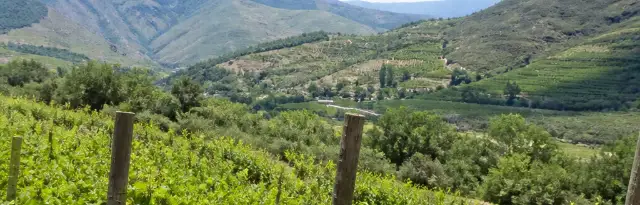
Bolivia is still a little-known wine-producing country, but it is particularly fascinating for lovers of terroir wines. Its uniqueness lies in its high-altitude viticulture, among the highest in the world, established in Andean valleys where the vines benefit from intense sunshine, wide diurnal temperature variation and a dry climate conducive to the slow, balanced ripening of the grapes. The regions of Tarija, Cinti and Santa Cruz are among the most important areas of Bolivian production, each bringing distinct characteristics to the country’s wines. This combination of altitude, light and varied soils gives rise to expressive cuvées, often marked by lovely freshness and an original aromatic identity.
Bolivian wines come in red, white and rosé styles, with international grape varieties such as Cabernet Sauvignon, Merlot, Syrah, Malbec, Tannat, Chardonnay and Sauvignon Blanc. Local production also showcases expertise that is constantly evolving, with estates focusing on quality, innovation and the promotion of their terroirs. While Bolivia is also known for its singani, an emblematic grape spirit, its wine world deserves particular attention. Bolivian producers are increasingly refining their winemaking techniques in order to offer elegant, fruity wines suited to both local and international gastronomy.
Discovering the wines of Bolivia means exploring an authentic wine scene that is growing rapidly yet remains relatively confidential on the global stage. Thanks to our wine cellar management app, you can catalogue your Bolivian bottles, track your tastings, organise your collection and gain a better understanding of the wine regions of this high-potential Andean country.
Chuquisaca, in Bolivia, is a discreet high-altitude wine region, shaped by sunny days, cool nights and varied soils well suited to viticulture. Around Sucre, production blends Andean tradition with local expertise. Its wines, often crafted on a small scale, offer freshness, aromatic intensity and an original character waiting to be discovered in the cellar.
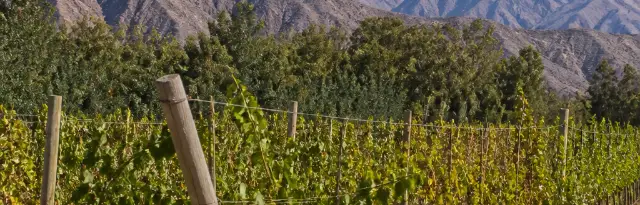
La Paz in Bolivia is a little-known wine region where vines thrive at altitude, in a climate shaped by intense sunshine and cool nights. These conditions encourage concentrated, expressive grapes. Still relatively undiscovered, it reflects the dynamism of Bolivian wine, with distinctive wines sure to appeal to curious enthusiasts in search of unusual terroirs.
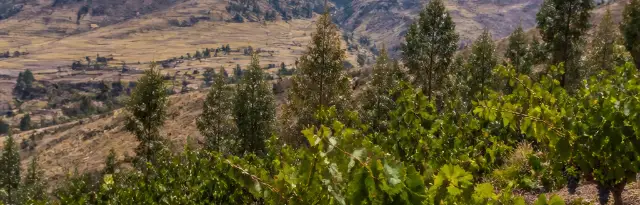
Potosí, in Bolivia, is a high-altitude Andean region better known for its mining history than for wine production. Vine growing remains limited, but benefits from intense sunshine, wide diurnal temperature shifts and a dry climate. These conditions favour concentrated grapes, in a spectacular landscape that still lies on the fringes of the South American wine world.
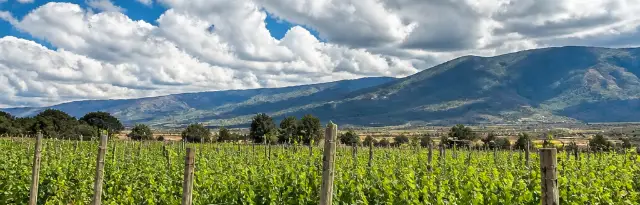
Santa Cruz, in Bolivia, is an emerging wine region shaped by a warm climate, high-altitude valleys and a growing wine industry. Producers here are exploring grape varieties suited to wide temperature swings, producing wines that are often sun-filled, fruity and expressive. Still relatively under the radar, the region is drawing the attention of curious wine lovers keen to discover new South American terroirs.
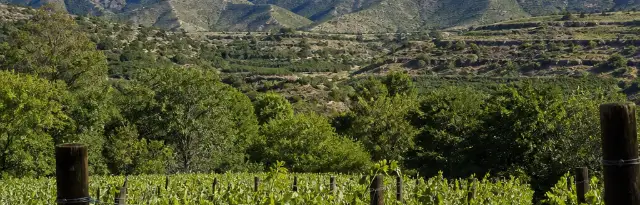
Tarija, in southern Bolivia, is the country’s leading wine region. Set at high altitude, with sunny valleys and cool nights, it encourages excellent aromatic concentration. The area is known mainly for producing red and white wines, as well as varieties such as Muscat of Alexandria, in a style that is often expressive, fresh and generous.
Access all wines from bolivia directly on Viniou! For an even more comprehensive and customised cellar management, access all this information directly through our Viniou software by adding your wines. from bolivia. Viniou provides you with the ability to efficiently manage your collection, discover detailed information about each wine region, and track your tastings and favourite bottles.
Simplify your cellar management and enrich your wine experience with Viniou!
We use cookies to measure our site's audience and improve its content.
Would you like to enable them?