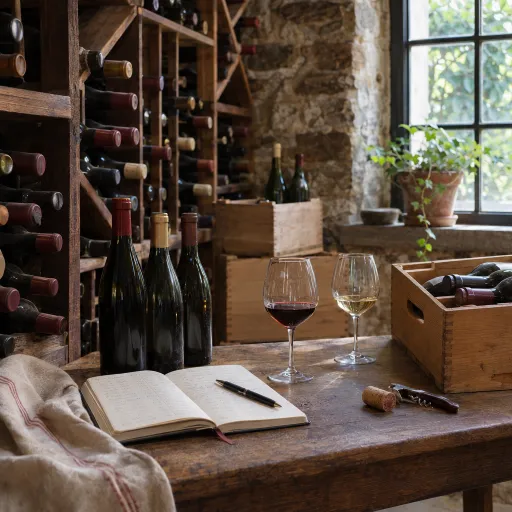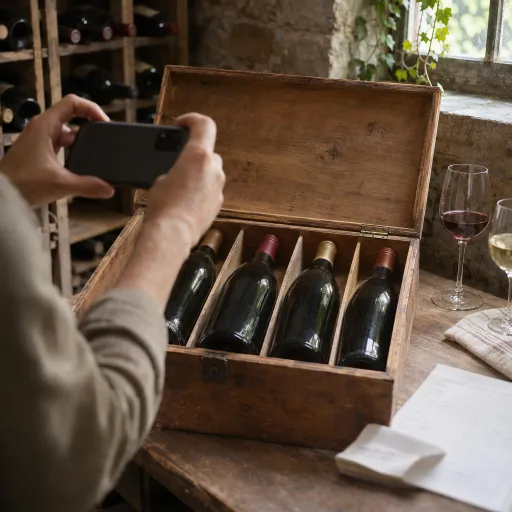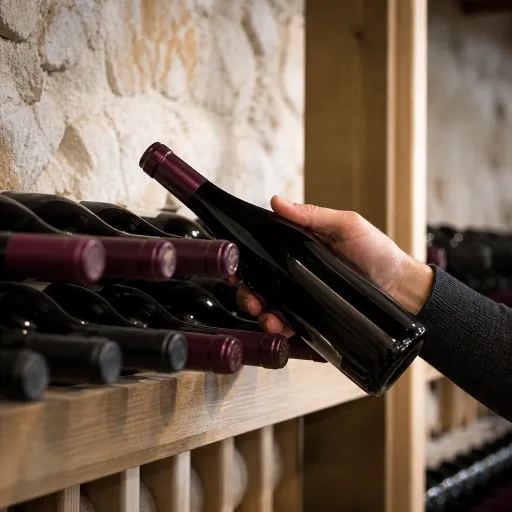
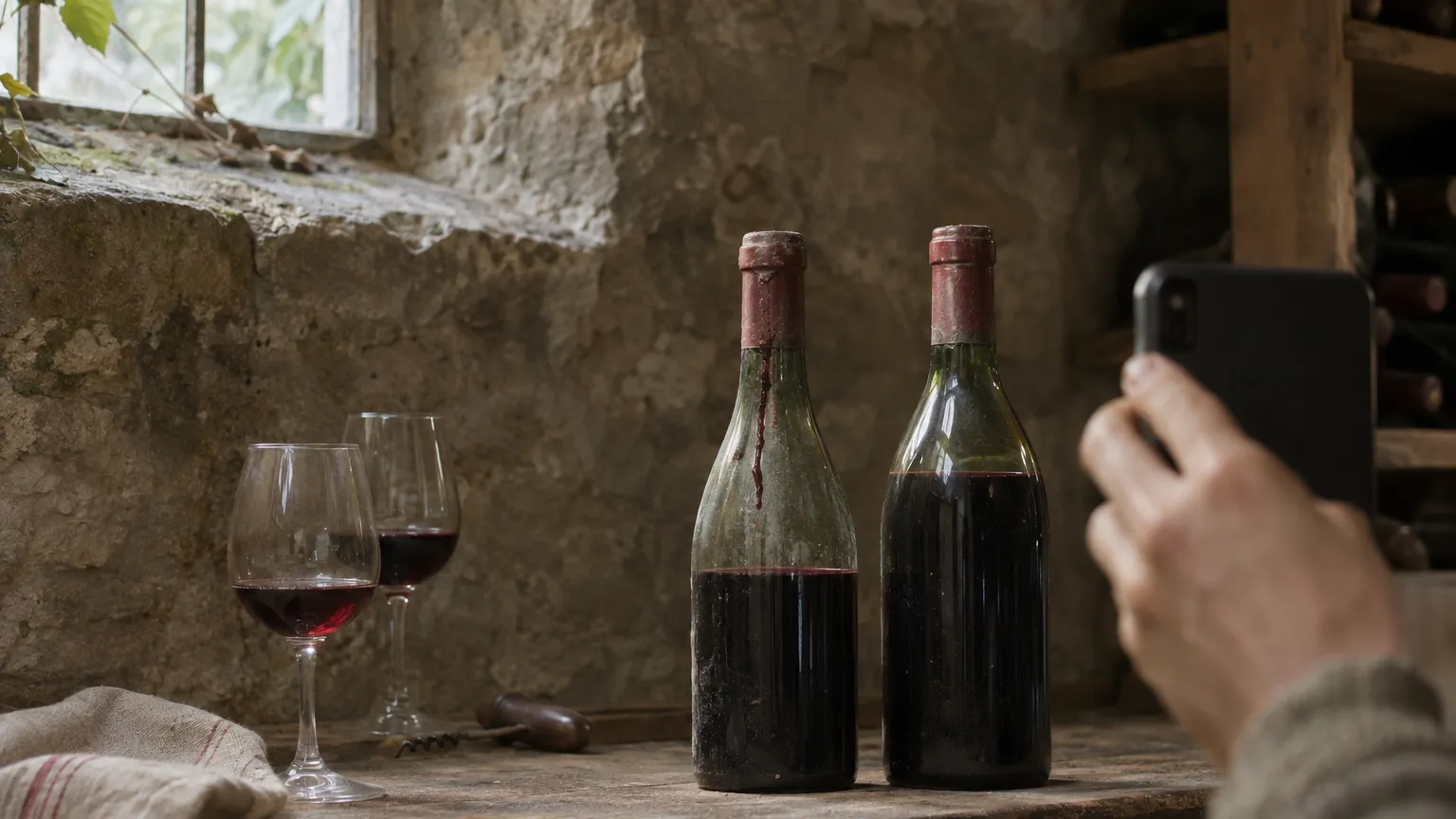
To estimate the value of a wine cellar, count the bottles actually present and look for comparable completed sales for each wine, taking its condition into account. Multiply the lower and upper ends of each range by the number of bottles concerned, then add up the lower figures and the upper figures separately. Date the result: this estimate alone does not determine an insurance payout, the value to use for an estate, or the net amount you will receive on resale.
Key points
- An invoice proves a purchase, not that the bottles are still in the cellar. Check the quantities on the racks.
- Compare the same cuvée, vintage and bottle format. Check whether sale results include buyer’s fees.
- Value any bottle with signs of seepage or an unusual fill level separately.
- Keep the date, calculation details and list of bottles still to be valued alongside the total.
Insurance, inheritance or resale: which value should you use?
Your inventory lists six bottles of the same pauillac. You count five, one of which shows signs of seepage. For the insurer, you need to describe the bottles to be covered. For an estate, you first need to establish whether the sixth bottle was still in the cellar on the date of death.
| Purpose | Value needed | Relevant date | Useful documents | What to check |
|---|---|---|---|---|
| Insurance | Value to declare under the policy | When taking out or reviewing cover | Dated inventory, photographs, available invoices and valuation details | Whether the storage location is covered, exclusions, limit and basis of settlement |
| Inheritance | Value of the bottles forming part of the estate | In France, generally the date of death | Inventory at that date, purchase documents and comparable sales from the period | Valuation method to be confirmed with the notaire |
| Resale | Net amount payable to the seller | At the time of the proposed sale | Lot description, photographs and conditions of sale | Commission and other fees payable by the seller |
If the sixth bottle was opened after the death, it was still in the cellar on the relevant date. A dated inventory removal record or a tasting note identifying the bottle can help the notaire establish what the cellar contained.
What should you record at each rack?
If you already have a file, you can import your inventory, then correct it row by row. Read each label and record the producer, appellation, cuvée, vintage and bottle size. Two identical-looking bottles may be from different vintages.
Compare the fill levels, then examine the capsules, necks and labels. For the five bottles of pauillac, create two entries: four with no visible issues and one with signs of seepage. Describe what you see without concluding that the wine is lost. Attach any documents you have concerning provenance and note any storage conditions you know about.
WITH VINIOU Know what your wine cellar is really worth The value of each bottle, tracked in real time.What makes a sale comparable to your bottle?
A completed, dated sale shows what a buyer agreed to pay. Start by looking for the same producer, cuvée and vintage in the same format. A magnum contains as much wine as two 75cl bottles, but it will not necessarily sell for the same amount. Use another magnum as your reference.
Keep the description of each sale you use. Check the condition of the bottles, the lot size and whether the original case is included. Dividing the price of a case of twelve by twelve gives an average per bottle, not the amount a buyer would offer for a single bottle. At auction, do not mix hammer prices and results that include buyer’s fees in the same range.
If you can only find a listing, note “asking price, sale not confirmed”. Do not use it as the upper end of your estimate. For a rare wine, it is better to note the absence of a comparable sale than to assign it the value of a neighbouring vintage.
How do you calculate your cellar’s value range?
For the four bottles with no visible issues, use comparable sales to establish a range per bottle. Multiply its lower and upper ends by four. For the fifth, look for a sale whose description or photographs show similar seepage: there is no standard discount for this issue.
If you cannot find a comparison, mark the fifth bottle’s entry “to be valued”. Your subtotal then covers four out of five bottles: the last bottle does not have a zero value; its value remains unknown. For the whole cellar, add up the lower ends, then the upper ends. State how many bottles the total covers.
If you receive an offer for the whole lot, calculate the resale proceeds from that offer, not from the total of the individual estimates. Ask for a written breakdown: subtract the seller’s commission and any preparation or transport costs payable by you from the amount offered.
Why does the estimate change between inventories?
In Viniou, the Cellar Value feature lets you track the estimated value of each bottle and of the collection as a whole. Record bottles removed too: if an opened bottle is still on the inventory, the total includes a wine you no longer own.
To distinguish a market movement from a change in stock, first compare the bottles present at both dates, using the same quantities. If their estimated value has not changed, an increase in the total may be due to purchases. If a cuvée’s range has changed, examine the new sales used: stronger demand may result in higher prices. Conversely, if the fill level has dropped in one of your bottles, its condition needs to be reassessed, even if sales of the cuvée remain stable.
By Arnaud Cariou, founder of Viniou
Article written on 23/11/2026