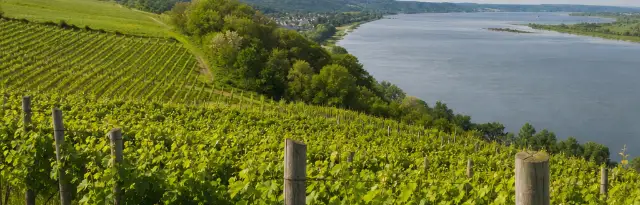
Lithuania Minor, a historical region located in the west of present-day Lithuania, is not recognised as a major wine-producing area in the classic European sense. The cool climate, the influence of the Baltic Sea, and an agricultural tradition more focused on cereals, livestock and beer long limited the development of viticulture. For a wine enthusiast, this region is therefore of chiefly cultural and emerging interest, rather than offering an old-established wine heritage comparable to that of the great French, Italian or Spanish regions. However, in the context of climate change and growing curiosity about northern vineyards, some local initiatives are experimenting with cold-resistant grape varieties and small-scale production. The wines that may be produced there remain rare, often artisanal, and are part of an approach driven more by innovation than by tradition. On a wine cellar management site, Lithuania Minor therefore deserves to be presented as a region of discovery, worth watching for its unusual potential. It illustrates the gradual expansion of the European wine map, where new terroirs are seeking to express an original identity despite demanding natural conditions.