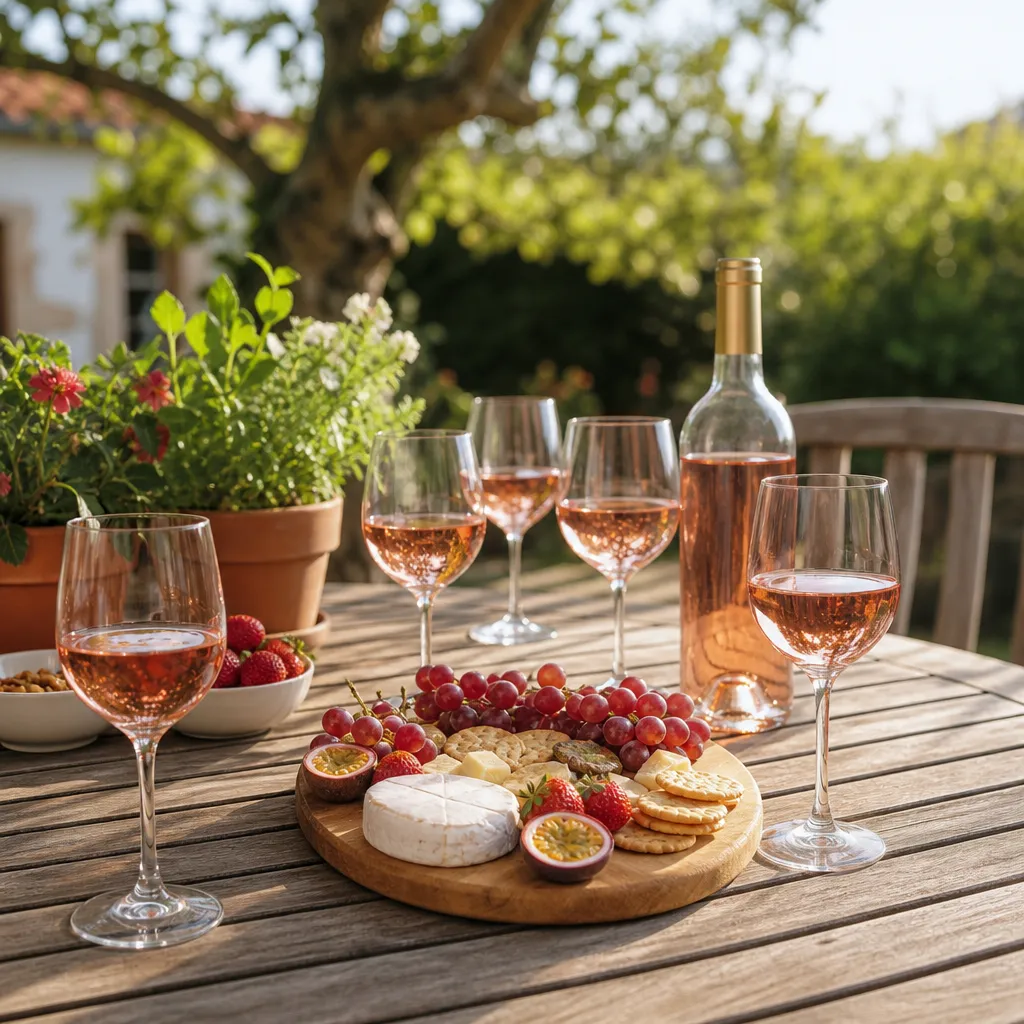
Rosé is the ideal choice for a summer wine tasting because it brings together freshness, versatility and instant enjoyment. We love how its bright fruit, lively acidity and delicate aromas make it easy to appreciate, whether you are just starting out or already know your favourite regions and styles. You can guide your guests through a wide range of expressions, from pale and crisp Provence rosés to fuller, fruit-driven bottles from Spain or Italy. Rosé also pairs beautifully with summer food, from grilled vegetables and seafood to salads and charcuterie, which makes planning simple and relaxed. For you, that means a tasting that feels elegant without being formal, educational without being intimidating, and above all perfectly suited to warm, sociable summer moments.
A summer rosé tasting is for everyone, whether you are just discovering wine or already curating a serious cellar. If you are a beginner, we can keep things simple and enjoyable by comparing a few easy-drinking styles and learning how colour, aroma and freshness vary from one bottle to another. If you are an enthusiast, you will enjoy exploring regions, grape varieties and serving temperatures in more depth. And if you are a collector, you can use the tasting to open older rosés, compare vintages or showcase rare cuvées alongside newer releases. Whatever your level, you do not need to be an expert to host a memorable event. We simply invite you to taste, share impressions and enjoy rosé in a relaxed summer setting.
To create a rosé tasting that feels both lively and well balanced, we recommend choosing wines from several styles and regions rather than focusing on just one profile. You can, for example, combine a pale, crisp Provence rosé with a fruit-forward bottle from Languedoc, a fuller style from Tavel, and perhaps a Spanish rosado or an Italian rosato for contrast. This gives you and your guests a clearer view of how climate, grape varieties and winemaking shape each wine. We also suggest moving from the lightest and driest rosés to the rounder or more aromatic ones, so the tasting stays easy to follow. With a varied selection, you help everyone compare, discover favourites, and enjoy a more memorable summer tasting.
To plan the right number of bottles for your summer rosé tasting, we recommend starting with the number of wines you want to serve and the size of your group. For a tasting of 4 to 5 rosés, allow around 75 ml per person, per wine. This means one standard bottle usually serves 8 to 10 tasting portions. If you are hosting 8 guests, one bottle of each rosé is often enough for the tasting itself. We also suggest keeping 1 or 2 extra bottles on hand, especially if you plan to serve food or let guests revisit their favourites afterwards. With a little preparation, you can avoid both running short and opening too much, while keeping the experience relaxed, generous and enjoyable for everyone.
To create a balanced and enjoyable rosé tasting, we recommend including a mix of dry, fruity and food-friendly styles. This gives you and your guests the chance to compare different expressions of rosé, from crisp and mineral wines to bottles bursting with red berry and citrus notes. A dry rosé often works well as a refreshing starting point, while a fruitier style can make the tasting feel more generous and approachable. We can also add one or two rosés made for the table, with enough structure and freshness to pair beautifully with summer dishes such as grilled vegetables, seafood or charcuterie. By varying the profiles, you help everyone discover what they truly enjoy, whether they are new to rosé or already enthusiastic about it.
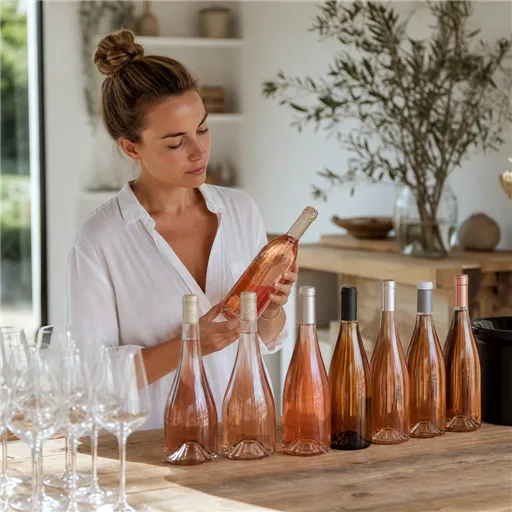
To set your rosé tasting up for success, we recommend choosing a date well in advance, ideally on a warm afternoon or early evening when everyone can relax and enjoy the moment. Keep your guest list manageable, around six to ten people, so that each wine can be discussed without the event feeling rushed. You can then decide on the format that suits you best: a casual discovery tasting, a themed selection by region or grape variety, or even a blind tasting for a more playful challenge. We also suggest planning the duration, the order of the wines and any light summer bites in advance. This way, you create a friendly atmosphere where both beginners and more experienced wine lovers feel comfortable taking part.
To help each rosé show its best side, we recommend serving your wines well chilled, but not icy: around 8 to 10°C for light, crisp rosés, and 10 to 12°C for fuller, more structured styles. If the wine is too cold, its aromas will be muted; too warm, and the freshness can fade. Choose medium-sized glasses with a slightly narrowed rim, which will help you capture the delicate fruit and floral notes. To keep the tasting balanced, start with the palest, driest and most delicate rosés, then move towards richer, fruitier or more powerful bottles. This simple order allows your palate to build gradually without one wine overpowering the next. We can also place the bottles in advance and label them clearly, so you and your guests can taste with ease and confidence.
To make your summer rosé tasting both fun and useful, we recommend preparing a simple tasting sheet for each wine. You can invite your guests to note the colour, aromas, freshness, texture and overall balance, leaving enough space for personal impressions. A clear scoring system, for example out of 10 or 20, helps everyone compare bottles without overcomplicating the experience. We also suggest adding a section for food pairing ideas, as rosé often shines alongside seasonal dishes. By guiding tasters with a few easy criteria, you help beginners feel more confident while giving wine lovers a solid framework to share their opinions. You will create a more interactive tasting, and at the end, it becomes much easier to remember which rosés truly stood out.
Choosing between an indoor or outdoor rosé tasting depends on the mood you want to create and the weather you can rely on. If you welcome your guests in the garden, on a terrace or balcony, we can enjoy the relaxed spirit of summer with natural light, fresh air and easy-going conversation. Just make sure you provide enough shade, comfortable seating and a cool spot to keep the bottles at the right temperature. Indoors, you have more control over lighting, serving conditions and glassware, which is ideal if you want a more focused tasting experience. We recommend choosing a bright, tidy space with simple décor so the wines remain the centre of attention. Whatever you choose, you should aim for a setting that feels calm, welcoming and effortless.
To create a relaxed summer setting, we recommend keeping your decorations simple, fresh and elegant. You can dress the table with a light linen cloth, add a few sprigs of lavender or fresh herbs, and choose soft shades inspired by rosé itself, from pale pink to coral. If you are tasting several wines, small handwritten place cards or discreet labels can help your guests follow along with ease. We also suggest using clear glasses, chilled water carafes and a few bowls of seasonal fruit to bring colour without overcrowding the table. The aim is to make everyone feel welcome. With a bright, airy presentation, you give your rosé tasting a festive atmosphere while keeping the focus where it belongs: on the wines and the pleasure of sharing them.
To create a truly relaxed summer rosé tasting, we recommend thinking about the rhythm of the event as much as the wines themselves. You can welcome guests with a light, chilled rosé and a soft playlist in the background — acoustic, jazz or laid-back summer tunes work especially well. We suggest keeping the tasting unhurried, with enough time between each wine for conversation, a few tasting notes and a bite to eat. If possible, start in the late afternoon, when the heat begins to ease and the atmosphere feels naturally more inviting. You do not need a rigid schedule: a smooth flow, comfortable seating and gentle music will help everyone feel at ease, whether you are hosting beginners or more experienced wine lovers.
When planning light seasonal dishes for your rosé-focused tasting, we suggest choosing fresh, simple flavours that let the wine shine. You can build a beautiful summer table with tomato and burrata salad, grilled prawns, vegetable tartlets, herbed chicken skewers or a delicate quinoa salad with citrus and mint. Rosé works especially well with dishes that balance brightness, texture and subtle savoury notes, without heavy sauces or overpowering spices. We also recommend including a few Mediterranean-inspired options, such as tapenade crostini or courgette and feta bites, to echo the wine’s crisp and fruity profile. By keeping the food colourful, relaxed and easy to share, you create a tasting atmosphere that feels both elegant and welcoming for every guest.
For a rosé-focused tasting, we can keep food pairings simple, sunny and full of flavour. You can build a generous board with mild cheeses such as goat’s cheese, mozzarella or young comté, which work especially well with fresh, fruit-driven rosés. Add a selection of charcuterie like prosciutto, saucisson or chorizo, but aim for balance so the salt and spice do not overpower the wines. Mediterranean appetisers are also ideal: olives, tapenade, grilled vegetables, hummus, stuffed peppers or tomato-based bites all bring colour and variety to the table. We recommend serving small portions, so you and your guests can compare pairings easily. This relaxed style encourages conversation and helps everyone discover how different rosés shine with different flavours.
To keep rosé wines at the centre of your tasting, we recommend avoiding foods that dominate the palate. Very spicy dishes, heavily smoked meats, strong blue cheeses, or overly sweet desserts can easily mask the wine’s freshness, fruit, and delicate texture. You will also want to be careful with too much garlic, vinegar, or chilli, as these flavours can distort the balance of the wines and make comparisons harder. Instead, we suggest keeping the menu simple, light, and well-paced, so each glass has room to express its character. If your aim is to help guests notice the differences between styles, less is often more. We want the food to support the tasting, not steal the spotlight.
When guiding your guests, we can keep tasting simple by focusing on three clues: colour, aroma and palate. Invite them to look first at the wine’s shade, from very pale pink to deeper salmon, as this can hint at style and intensity. Then ask them to swirl gently and notice the aromas: fresh strawberry, raspberry, citrus, peach or delicate floral notes are all common in rosé wines. On the palate, encourage them to compare freshness, fruitiness, texture and length. Is the wine crisp and light, or rounder and more generous? Does the flavour fade quickly or linger pleasantly? By tasting this way, you help everyone describe what they enjoy with more confidence, whether they are complete beginners or seasoned wine lovers.
To guide the discussion without making it feel like a test, we can keep things simple and sensory. Instead of asking guests to identify precise aromas, invite them to share what the wine reminds them of: summer berries, citrus peel, fresh herbs or even a seaside holiday. You can offer a few easy prompts such as colour, freshness, fruitiness and finish. This helps everyone join in, whether they are new to rosé or already confident tasters. We also recommend reminding your guests that there are no wrong answers. The aim is to compare impressions, not to be an expert. By creating a relaxed conversation and encouraging curiosity, you help everyone taste more attentively and enjoy the experience together.
When choosing between a blind tasting and a themed tasting, we recommend thinking first about your guests and the atmosphere you want to create. A blind tasting adds surprise and encourages everyone to focus on colour, aroma and texture without being influenced by the label or price. It is ideal if you want to sharpen comparison skills and spark lively discussion. A themed tasting, on the other hand, feels more guided and reassuring. You can group rosés by region, grape variety or style, helping your guests understand what makes each wine unique. If some of your guests are new to wine, this format is often easier to follow. You can also combine both: start with a theme, then finish with one blind bottle for fun.
To keep your summer rosé tasting smooth from start to finish, we recommend tracking both opened and unopened bottles as the event unfolds. You can label each bottle before serving, then note when it is opened, how much is left, and which guests enjoyed it most. This helps you avoid opening too many wines too early, while making sure favourites do not run out. For unopened bottles, we can group them by style, vintage or serving order, so everything stays easy to find. After the tasting, you can quickly identify what should return to the cellar and what needs to be enjoyed soon. With a simple list or a dedicated cellar app, you keep better control of your stock and make future tastings even easier to organise.
After your tasting, a few simple habits will help you keep any leftover rosé in the best possible condition. We recommend recorking each bottle straight away with its original cork or a suitable wine stopper, then placing it in the fridge, even if it was served well chilled during the event. Rosé is sensitive to oxygen, heat and light, so the less air in contact with the wine, the better. If you have only a small amount left, you can even transfer it into a smaller bottle to slow down oxidation. As a rule, opened rosé is best enjoyed within two to three days. To stay organised, you can note the opening date and bottle level in your cellar management app, so you always know what to drink first.
Using a cellar management app after your summer rosé tasting is a simple way to keep every impression organised. We can quickly record each bottle tasted, note the vintage, producer, serving temperature and food pairing, then add personal feedback while the memories are still fresh. You can rate colour, aromas, freshness and overall balance, which makes it much easier to compare styles later on. If you are tasting with friends, you can also gather different opinions and spot the bottles that truly stood out. For you, this becomes a practical reference for future purchases, summer menus or another rosé-themed evening. It also helps you track what remains in your cellar, so nothing is forgotten once the event is over.
To make every summer rosé tasting smoother and more enjoyable, we can rely on a simple tool to stay organised from start to finish. With Viniou, you can list the bottles in your cellar, note the ideal serving temperature, keep track of tasting notes, and compare your guests’ favourites with ease. Whether you are planning a relaxed evening with friends or a more detailed tasting session, we help you save time and avoid last-minute guesswork. You can focus on what really matters: sharing good bottles, discovering new styles, and creating a warm summer atmosphere. With a little preparation and the right support, your next rosé tasting can feel effortless, elegant, and memorable.

