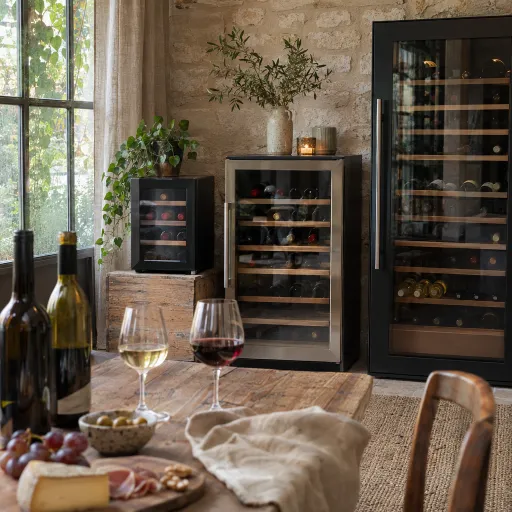
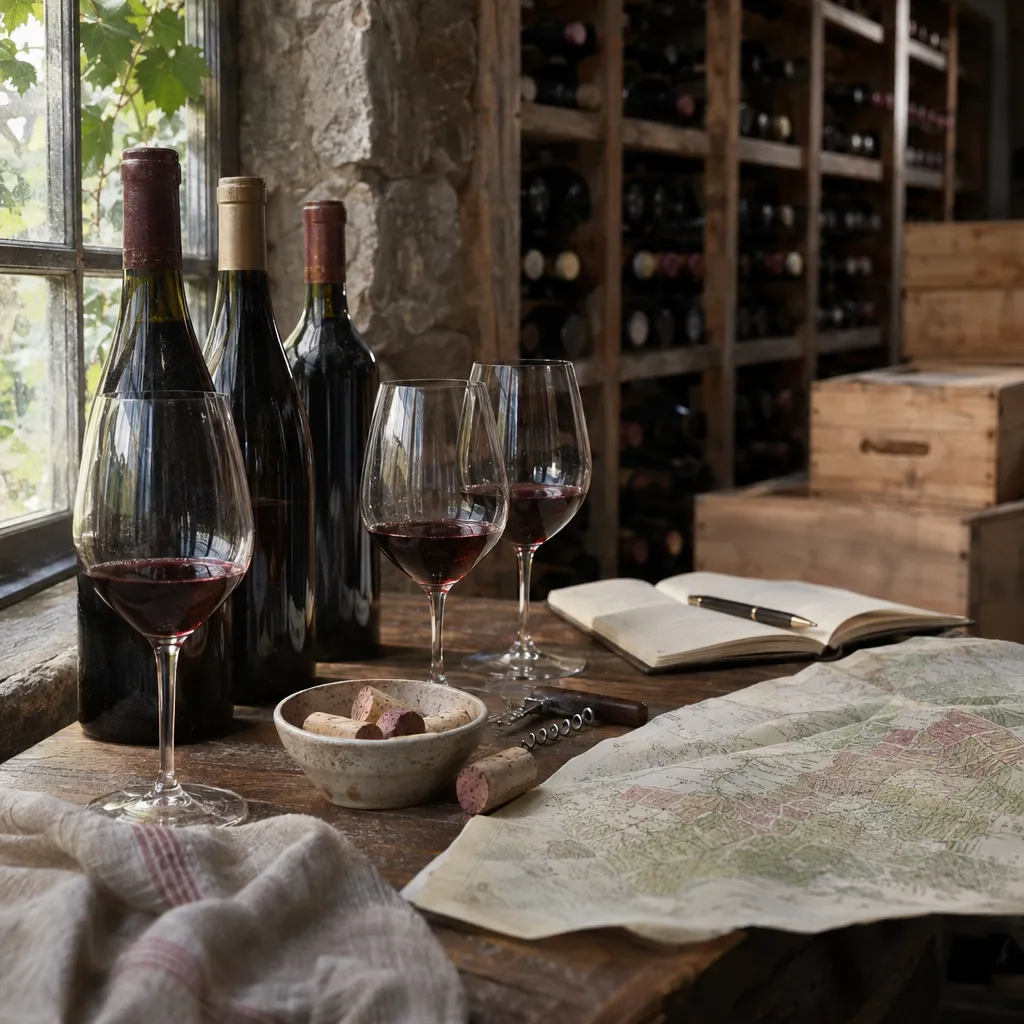
For a long-term collection, buy wines with what it takes to age: tannins, good acidity or sugar. These include the great reds of Bordeaux, Bourgogne and the northern Rhône, Loire chenins, Alsace rieslings, sweet wines, vin jaune and vintage champagnes. There is no need to spend everything on the big names: Cahors, Madiran, Bandol and Chinon age beautifully at a fraction of the price. Buy by the case, keep the invoices and note when each wine should be opened.
The essentials
- A wine for ageing has structure: tannins, acidity or sugar.
- Mix big names with affordable, reliable choices that age just as well.
- Buy six or twelve bottles at a time to follow how a wine develops.
- A collection is built to be drunk: a wine forgotten for too long is worth nothing.
What makes a wine age well?
Three elements protect wine and allow it to evolve slowly: the tannins in reds (cabernet sauvignon, syrah, mourvèdre, tannat, nebbiolo), the acidity in whites (chenin, riesling, chardonnay from Chablis) and the sugar in sweet wines. Concentration, which depends on yield and vintage, and the producer's skill also play a part. A light, fruity, supple wine, however good, is not made for keeping.
Which wines should you buy for an ageing collection?
| Region | Wines for ageing | Indicative ageing potential |
|---|---|---|
| Bordeaux | Médoc (Pauillac, Margaux, Saint-Julien), Pessac-Léognan, Saint-Émilion, Pomerol | 10 to 30 years |
| Bourgogne | Premiers and grands crus from the Côte de Nuits and Côte de Beaune, Chablis premier and grand cru | 10 to 25 years |
| Rhône | Hermitage, Côte-Rôtie, Cornas; Châteauneuf-du-Pape | 10 to 25 years |
| Provence and Sud-Ouest | Red Bandol, Cahors, Madiran | 10 to 20 years |
| Loire | Vouvray, Savennières, Coteaux du Layon; Chinon and Bourgueil from good vintages | 10 to 30 years |
| Alsace | Grand cru rieslings, vendanges tardives | 10 to 20 years |
| Jura | Vin jaune | 30 to 50 years or more |
| Sweet wines | Sauternes, Barsac | 20 to 50 years |
| Champagne | Vintage champagnes, prestige cuvées | 10 to 20 years |
| Other countries | Barolo, Brunello di Montalcino, Rioja Gran Reserva, vintage port | 15 to 40 years |
Affordable, reliable choices
A fine ageing cellar does not need to consist solely of grands crus. Several appellations offer wines that will last ten or twenty years at a reasonable price: Cahors and Madiran, both very tannic in their youth; red Bandol, made predominantly from mourvèdre; Chinon and Bourgueil from great vintages; the crus bourgeois of the Médoc; and Loire chenins, dry or sweet, which age remarkably well. These are often the wines that give the most pleasure when opened after fifteen years.
Does the vintage matter?
Yes, especially for wines intended for ageing. Great years produce more concentrated wines that age for longer. In Bordeaux, 2005, 2010, 2015, 2016, 2019 and 2020 are considered great vintages. But a good producer also makes successful wines in average years, which are often cheaper and ready to drink sooner: they are ideal for enjoying while the great vintages mature.
How should you buy for your cellar?
By the case. Six or twelve bottles of the same wine allow you to open one from time to time to follow its development, and drink the rest at their best.
From the producer, a wine merchant or en primeur. Wines bought directly from the producer or a wine merchant have a known provenance. In Bordeaux, buying en primeur, two years before delivery, can sometimes secure great wines at a better price.
Keep the documentation. Retain invoices and the original wooden cases for fine wines: they provide evidence of provenance and good storage conditions, which matters for insurance as well as resale.
Collecting to drink or to invest?
Some fine wines increase in value over time, but wine remains an uncertain investment: prices fluctuate, resale incurs fees and a badly stored bottle loses its value. Build a cellar to drink from first. To keep track of its worth, Viniou Premium estimates the value of your cellar and each bottle, which is also useful for insurance.
Don't let your wines pass their peak
The risk with an ageing cellar is forgetting what is in it: a bottle kept for thirty years when it was at its peak after fifteen. Note the drinking window for each wine. With Premium, Viniou estimates the stages each wine in your cellar will go through on its way to peak maturity and alerts you at the right time. The right cellar conditions are detailed in our wine storage guide.
By Arnaud Cariou, founder of Viniou
Article written on 23/11/2026