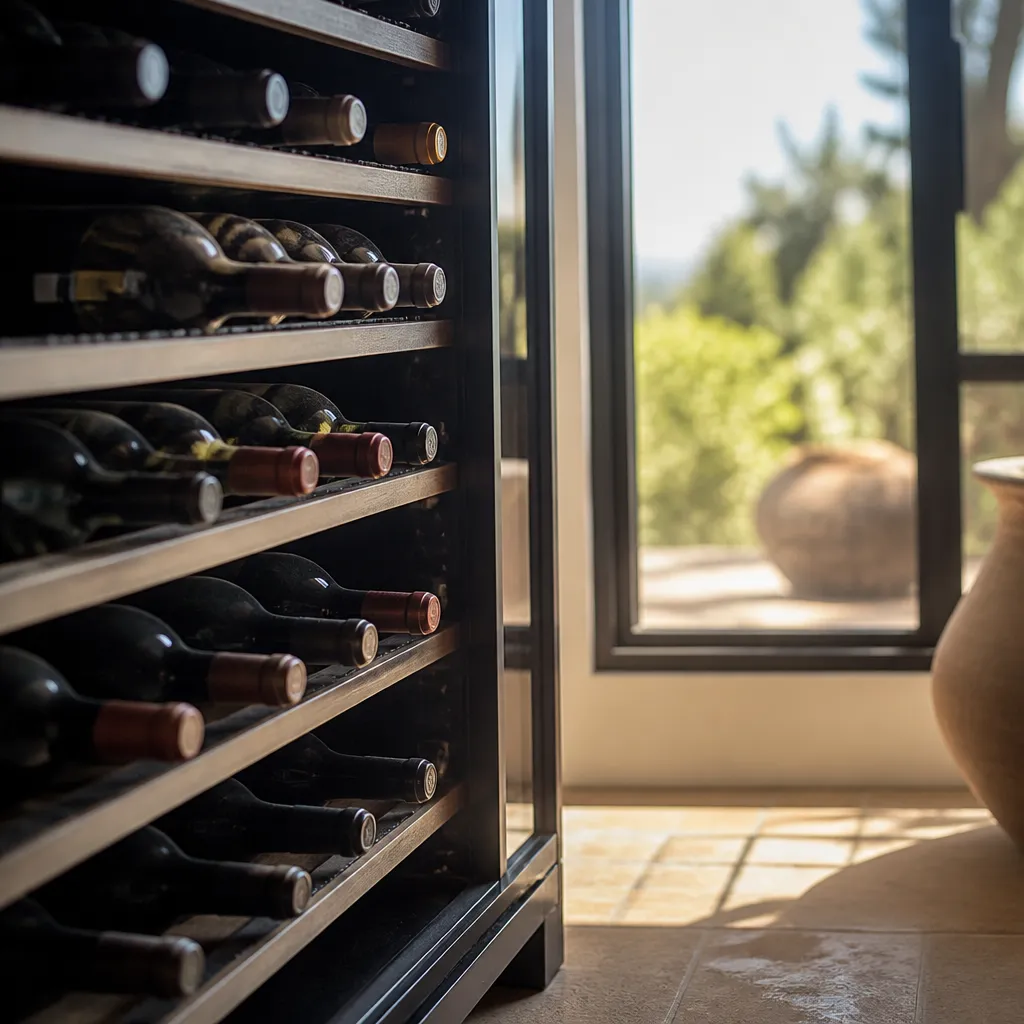
Summer heat can quickly become one of wine’s biggest enemies. When temperatures rise too high, wine ages faster than it should, which can dull its aromas, flatten its freshness and upset its overall balance. Sudden heat spikes are especially risky, as they may cause the liquid to expand, push against the cork and let unwanted air seep into the bottle. Over time, this can affect both flavour and storage potential. Whether you are keeping a few favourite bottles at home or managing a growing collection, we all need to pay closer attention during the warmer months. By understanding how heat impacts wine, you will find it much easier to protect every bottle and enjoy it at its best.
During summer, proper wine storage is not just about avoiding heat damage. It is what helps your bottles keep their freshness, protect their aromas and preserve their ageing potential. When wine is exposed to high temperatures, sudden changes or too much light, it can lose its balance much faster than you might expect. Fresh whites may seem dull, rosés can lose their lively character, and even structured reds may age too quickly. By keeping conditions stable, we help the wine evolve at its own pace. You also give each bottle the best chance to reveal its true style when opened. Whether you are building a small collection or managing a fuller cellar, good storage is one of the simplest ways to protect every glass.
During summer, temperature becomes one of the most important factors in keeping your wines fresh and balanced. We generally recommend storing most wines between 10°C and 14°C, as this range helps preserve aromas, structure and ageing potential. Lighter white, rosé and sparkling wines often benefit from the cooler end of the scale, while fuller-bodied reds can comfortably sit a little higher. What matters most, however, is stability: sudden rises in heat can tire a wine far more quickly than a slightly imperfect but steady temperature. If you do not have a wine cellar, do not worry — we can still protect your bottles by choosing the coolest room in the house, away from sunlight and appliances. By understanding these ideal ranges, you give every bottle a better chance to shine when it is opened.
During summer, we often focus on keeping wine as cool as possible, but in reality, temperature stability matters even more than occasional cooling. Wine reacts badly to repeated changes: when the temperature rises and falls too often, the liquid expands and contracts, which can stress the cork and gradually affect freshness, aromas and balance. Even a bottle stored in a fairly cool place can suffer if that environment changes every day. That is why we recommend choosing the most stable spot available in your home, away from direct sunlight, heat sources and sudden temperature swings. If you want to protect your bottles properly, a steady environment will always help more than simply moving them to a cooler place from time to time.
During summer, we need to look beyond temperature alone. Humidity plays a key role in keeping your wine in good condition: if the air is too dry, corks can shrink, letting in oxygen and affecting freshness. If it is too damp, labels and packaging may suffer, even if the wine remains safe. Light also matters more than many people realise. Direct sunlight and strong artificial light can speed up ageing and alter delicate aromas, especially in white, rosé and sparkling wines. Finally, bottle position helps protect the cork. If your bottles use natural cork, storing them horizontally helps keep the cork moist and sealed. With screw caps, position is less critical, but a stable, dark and slightly humid space will always give your wines a better summer resting place.

Leaving wine bottles in the kitchen or near a sunny window is one of the most common summer mistakes. We often think a bottle is safe on a countertop or shelf, but heat, light and sudden temperature changes can quickly affect its balance. In the kitchen, ovens, hobs and appliances create warm spots that make storage conditions unstable. Near a window, direct sunlight can heat the glass and speed up ageing, which may dull aromas and reduce freshness. If you want to protect your wines properly, it is best to choose a cool, dark and stable place instead. Even a few hot days can have an impact, especially on white, rosé or sparkling wines that are more sensitive to summer conditions.
During summer, storing wine in a garage, loft or car is one of the most damaging mistakes you can make. These spaces heat up very quickly and often suffer from sharp temperature swings between day and night. We know it can seem practical for a few hours or a few days, but excessive heat can speed up ageing, flatten aromas and even push the cork, allowing air into the bottle. In a parked car, the temperature can rise to dangerous levels in no time at all. To protect your bottles and preserve their freshness, we recommend choosing a cool, stable and shaded place instead. If you do not have a proper cellar, a wine fridge is a far safer solution during hot weather.
In summer, we often handle our bottles more than usual: moving them from the cellar to the kitchen, then to the terrace, or chilling them at the last minute before serving. Yet these repeated movements and sudden temperature changes can disturb the wine and alter how fresh and balanced it feels in the glass. We recommend keeping bottles as stable as possible and planning ahead, especially for whites, rosés and sparkling wines. Serving wine too warm is another common mistake, as heat quickly dulls aromas and makes alcohol feel more pronounced. You will get far better results by cooling each bottle gently and serving it at the right temperature, so every style keeps its character, precision and refreshing appeal.
A wine fridge is one of the safest ways to protect your bottles during summer. While room temperature can rise quickly and fluctuate throughout the day, a wine fridge keeps your wines at a stable setting, which is essential for preserving freshness, aromas and balance. If you store both reds and whites, we can choose a model with adjustable zones to suit different styles. You also benefit from better protection against heat spikes, light and, in many cases, vibrations. For you, this means less stress during hot weather and more confidence that each bottle will taste as it should when opened. Even a compact wine fridge can make a real difference at home, especially if your kitchen or living space becomes warm in summer.
One of the simplest ways to protect your wine in summer is to choose the coolest, darkest room in your home. We recommend looking for a space away from direct sunlight, radiators, kitchens, and south-facing windows, as heat and light can quickly damage aromas and accelerate ageing. You can use a hallway cupboard, a cellar, a utility room, or even a well-insulated closet if the temperature stays as stable as possible. If you can, avoid places where temperatures rise sharply during the day, such as garages or lofts. We also suggest storing bottles low to the ground, where the air is often slightly cooler. By taking a little time to find the right spot, you help your wines stay fresher, more balanced, and ready to enjoy.
To keep your wines fresh during summer, we recommend organising your bottles so you can find what you need quickly, without moving the whole collection. Place the bottles you are most likely to open soon at the front, and keep those for longer ageing further back. This simple habit helps limit repeated handling, which can disturb the wine and expose it to small but harmful temperature changes each time the door is opened. You can also group bottles by colour, style or drinking window to make selection easier. If you use a wine fridge or cellar, a clear layout saves time and keeps conditions more stable. By planning your storage carefully, you help protect both freshness and balance in every bottle.
In summer, an opened bottle can lose its freshness much faster, so it helps to know what to expect. As a general rule, red wines stay enjoyable for around 2 to 4 days after opening, while white and rosé wines usually keep well for 3 to 5 days if refrigerated and properly sealed. Sparkling wines are more fragile: even with a stopper, they are often at their best within 1 to 3 days, as the bubbles fade quickly in warm conditions. We recommend storing every opened bottle away from light and heat, and placing it back in the fridge, even for reds during hot weather. If you notice dull aromas, oxidation or a flat taste, it is a clear sign the wine has passed its peak. By staying attentive, you can enjoy each bottle at its best.
In summer, the right closure can make a real difference once a bottle has been opened. We recommend starting with a quality airtight stopper, especially for still wines, as it helps limit contact with oxygen and slows down the loss of freshness. For sparkling wines, a dedicated champagne stopper is essential to keep the bubbles lively for longer. If you open fine bottles regularly, a vacuum pump or an inert gas preservation system can also be very useful. These tools help protect aromas and delay oxidation, particularly during warmer days. Whatever option you choose, always reseal the bottle immediately and store it upright in the fridge. This simple routine helps you enjoy every glass in the best possible condition.
In summer, we recommend refrigerating any opened bottle as soon as you have finished serving it, even red wine. Heat speeds up oxidation and quickly dulls aromas, while cooler storage helps preserve freshness for longer. Before placing the bottle in the fridge, seal it carefully with its cork or a wine stopper to limit contact with air. When you are ready to enjoy it again, take white, rosé, and sparkling wines out just a few minutes before serving. For red wines, let the bottle rest at room temperature for 15 to 30 minutes so the flavours can open up naturally. This simple habit helps you avoid flat, tired wines and lets you enjoy every glass in better condition.
During summer, keeping an accurate record of your bottles becomes just as important as controlling temperature. We recommend noting each wine’s exact storage location, ideal drinking window and any recent movement within your cellar. This helps you avoid opening a bottle too early, forgetting one at its peak, or leaving sensitive wines in a warmer spot for too long. If you use different shelves, rooms or wine fridges, a clear tracking system makes everything easier to manage. You can quickly see which bottles should be enjoyed first and which ones need the most stable conditions. At Viniou, we believe that a well-organised cellar helps you protect freshness, reduce unnecessary handling and enjoy every bottle at the right moment.
During summer, we recommend organising your cellar with two clear zones: one for bottles you plan to enjoy soon, and another for wines meant for long-term ageing. This simple habit helps you avoid handling your finest bottles too often, which can expose them to heat and temperature changes. You can place your summer drinking wines, such as crisp whites, rosés or light reds, in the most accessible part of your cellar so you always know what to chill or open. Meanwhile, your age-worthy bottles should remain undisturbed in the most stable area possible. If you use a cellar management tool, you can also tag these wines by season or drinking window. This makes your selection easier and helps you protect freshness without losing track of your collection.
During summer, a cellar management app becomes a practical ally for keeping your wines in the best possible condition. We can quickly see which bottles are the most sensitive to heat, identify those that should be enjoyed sooner, and avoid unnecessary handling during warmer days. You also gain a clear view of your stock, which helps you organise your bottles by drinking window, style or storage area. With better visibility, you reduce the risk of forgetting a wine in the wrong place or opening your cellar too often, which can disturb temperature stability. For you, it means less guesswork, smarter decisions and better protection for every bottle, whether you are managing a small personal collection or a more serious cellar.
During summer, protecting your wine often comes down to a few simple habits. We recommend keeping bottles away from direct sunlight, checking that the storage area stays as cool and stable as possible, and avoiding frequent temperature swings. If you move bottles, do it gently and only when needed, as excessive handling can disturb the wine over time. You can also make a habit of checking corks, labels and bottle condition, especially during heatwaves. At Viniou, we believe that small, regular actions make a real difference. Whether you are just starting your collection or already managing a full cellar, you can preserve freshness, aromas and balance by staying attentive throughout the warmer months. With the right routine, your wines will be ready to enjoy in their best condition.
To keep your wines fresh all summer, good habits make all the difference—but smart tools can make it even easier. With Viniou, we help you manage your wine cellar more simply, whether you are just starting out or already have a carefully built collection. You can track your bottles, organise storage conditions, and keep a clear view of what needs extra attention during warm weather. This means fewer mistakes, better ageing conditions, and more peace of mind for you. If you want to protect your wines and enjoy them at their best, downloading Viniou is a simple next step towards smarter, more confident cellar management.

