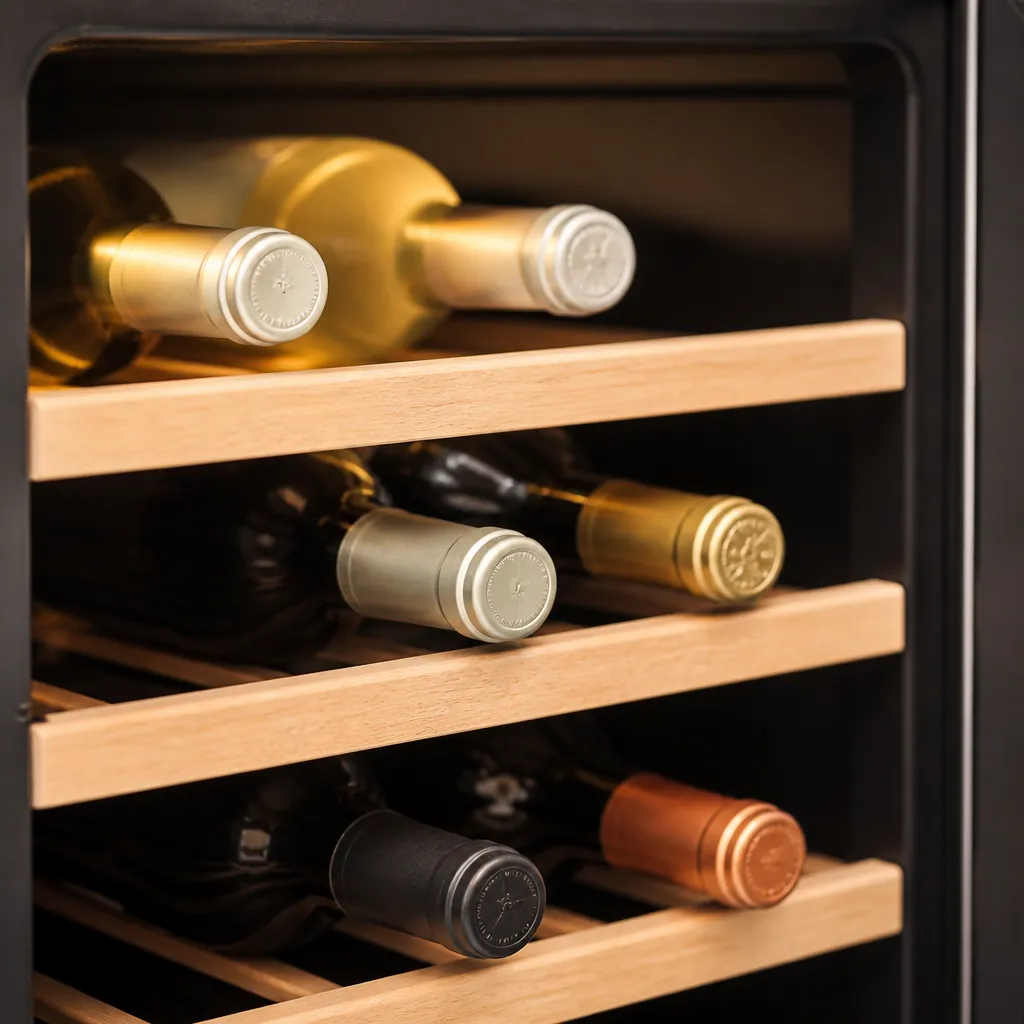
Summer heat can change a wine more quickly than many people realise. When bottles are stored at high temperatures, the wine expands, which can weaken the cork and let in small amounts of oxygen. This speeds up ageing and may flatten the fresh fruit character you expect, especially in white, rosé and sparkling wines. We also see aromas become less precise, with delicate floral, citrus or mineral notes fading first. On the palate, heat can make flavours feel heavier, less vibrant and less balanced. If these temperature swings happen often, your wine may lose both its charm and its ageing potential. By keeping storage conditions stable, you help preserve the freshness, complexity and pleasure you were meant to enjoy in every bottle.
Summer can put your wine under real pressure, especially if your home cellar is not fully insulated from heat. The biggest risk is temperature fluctuation: when bottles repeatedly warm up and cool down, the wine ages faster and can lose the freshness and balance you want to preserve. Excessive heat may also dry out corks, letting unwanted air into the bottle and increasing the risk of oxidation. We should also not overlook light and vibration, which often become more frequent in warmer months and can quietly affect aroma, structure, and overall quality. If you want to keep every bottle in the best possible condition, understanding these seasonal threats is the first step towards smarter summer storage.
For most wines, the ideal storage temperature sits between 10°C and 14°C, with 12°C often seen as the sweet spot. We recommend focusing less on chasing the exact number and more on keeping it steady throughout the summer. When wine is exposed to repeated heat spikes, it can age too quickly, lose its balance, and see its fresh aromas fade faster than expected. Whether you store reds, whites, or sparkling bottles, a cool and stable environment gives your wines the best chance to evolve gently. If you notice your storage space regularly climbing above 18°C, it is worth taking action. With a wine fridge, a well-insulated cellar, or even simple monitoring tools, you can protect your bottles and preserve their freshness with confidence.
When summer heat rises, the biggest danger for your bottles is not always a high temperature itself, but the repeated swings between warm and cool. Wine expands when it gets hotter and contracts when it cools down. Over time, this constant movement can weaken the cork, let tiny amounts of air in, and speed up premature ageing. We often think a few degrees do not matter, yet sudden changes can quickly affect freshness, aromas, and balance. If you want to protect your collection, it is far better to keep your wines at a steady temperature than to move them from one spot to another depending on the weather. A stable environment helps every bottle evolve more gently and keeps summer from becoming a hidden enemy in your cellar.
During a heatwave, the priority is to shield your bottles from sudden temperature spikes. We recommend moving your wine to the coolest, darkest part of your home, away from windows, radiators and appliances that give off heat. If you do not have a cellar or wine fridge, an interior cupboard on a lower floor can work surprisingly well. You can also keep rooms shaded during the day and ventilate only in the cooler evening hours to limit heat build-up. Try to avoid moving bottles too often, as constant changes can disturb the wine and expose it to warmer air. If you monitor conditions with a simple thermometer, you will be able to react quickly and keep your collection safer throughout the summer.
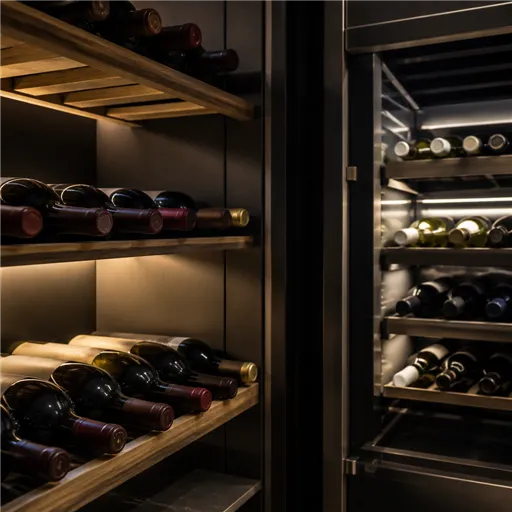
Direct sunlight is one of the quickest ways to damage a bottle of wine in summer. UV rays can pass through the glass and trigger premature ageing, which gradually alters the wine’s aromas, colour and overall balance. This is especially true for delicate whites, rosés and sparkling wines, which are prized for their freshness. We also need to remember that sunlight often brings heat with it, creating sudden temperature rises that put extra stress on the wine. To protect your bottles, it is best to store them in a dark place, away from windows, conservatories or bright kitchen shelves. If you want your wines to keep their character and vibrancy, limiting light exposure is a simple but essential habit.
During summer, humidity plays a key role in keeping your wines in good condition. Ideally, we recommend maintaining a humidity level between 60% and 75%. If the air is too dry, corks can shrink, letting oxygen into the bottle and gradually altering the wine’s freshness. On the other hand, excessive humidity may damage labels and encourage mould in your storage area. To protect both the bottle and its contents, you should aim for a stable environment rather than sudden changes. A simple hygrometer can help you monitor conditions easily. If needed, we can improve humidity with a small water container, or reduce it with better ventilation. By keeping this balance, you give your wines the best chance to age well, even in warmer months.
As a general rule, we recommend storing most wine bottles horizontally, especially those sealed with natural cork. This keeps the cork in contact with the wine, helping it stay moist and reducing the risk of shrinkage that could let air in. During summer, when heat can already put extra stress on your bottles, this small detail becomes even more important. If your wine has a screw cap or a synthetic cork, however, storing it upright is usually fine, as there is no natural cork to protect. We also suggest avoiding frequent movement, as vibrations and repeated handling can disturb the wine over time. For you, the best approach is simple: check the closure first, then choose the position that preserves freshness and stability.
During summer, some areas of the home can quickly put your bottles at risk. We recommend avoiding garages, attics, conservatories and kitchens, as these spaces often experience sharp rises in temperature throughout the day. Direct sunlight is another major concern, as it can warm the wine and speed up premature ageing. You should also be careful with spots near ovens, radiators or windows, where heat builds up faster than expected. Even a utility room can become unsuitable if the air is too warm or dry. To protect freshness, we should always favour a darker, calmer space with as little temperature variation as possible. A stable environment will help your wine keep its balance, aromas and character all summer long.
A wine fridge is one of the most reliable ways to protect your bottles during summer. If your home gets warm, we recommend using one to keep a stable temperature, ideally around 12°C for long-term storage. Unlike a standard kitchen fridge, a wine fridge is designed to limit sudden temperature changes, reduce vibrations, and maintain better humidity levels. This helps preserve both freshness and ageing potential. You should also place your bottles horizontally if they have corks, so they stay properly moist. If possible, keep the wine fridge away from direct sunlight and heat sources, as this will help it work more efficiently. For beginners and collectors alike, it is a simple solution that gives you greater peace of mind all summer long.
If you live in a flat or have limited space, we can still protect your wine during summer with a few smart choices. You should always avoid storing bottles in the kitchen, near ovens, fridges or sunny windows, where heat and temperature swings are frequent. Instead, look for the coolest and darkest spot in your home, such as a hallway cupboard, an interior closet or a shaded corner in a living room. If you enjoy keeping a small collection, a compact wine fridge is often the safest solution, as it helps maintain stable conditions even in warmer months. We also recommend storing bottles away from vibrations and standing them correctly depending on the closure. With a little planning, you can keep your wines fresh, even in a smaller home.
During summer, we recommend checking your bottles and storage conditions at least once a week. Warm weather can cause faster temperature swings, and even short periods of heat may affect a wine’s balance and freshness. You do not need to inspect every bottle in detail, but you should monitor the key points: room temperature, humidity, light exposure, and any unusual odours. We also suggest looking for small warning signs such as damp labels, leaking corks, or bottles that feel warmer than usual. If you use a wine fridge or cellar management app, this becomes much easier to track consistently. By taking a few minutes each week, you can spot problems early and make simple adjustments before your wines are compromised.
Transporting wine in hot weather calls for a little extra care if you want to protect its freshness. We recommend avoiding the hottest hours of the day and keeping bottles out of direct sunlight at all times. If you are collecting wine from a shop, try to make it your last stop so it spends as little time as possible in a warm car. You can also use an insulated bag or cooler with ice packs, making sure the bottles do not sit directly against frozen surfaces. Once home, place your wines somewhere cool and stable without delay. If you are ordering bottles online in summer, it is wise to check delivery times and choose a service that limits exposure to heat. With a few simple habits, you can help your wines arrive in excellent condition.
During summer, keeping track of your bottles becomes just as important as keeping them cool. We recommend maintaining a clear inventory with purchase dates, storage location, ideal serving windows and priority bottles to drink first. This helps you avoid opening a wine too late, or leaving a more fragile bottle exposed to heat for longer than necessary. You can also group wines by style and ageing potential, so you know which whites, rosés or lighter reds are best enjoyed while they are at their freshest. If you use a digital cellar management tool, you can update your collection in real time and set reminders for key drinking windows. That way, we make your summer wine planning simpler, and you enjoy every bottle at its best.
Summer can be tough on wine, but with the right habits, you can protect every bottle and preserve its freshness. By keeping a close eye on temperature, limiting light exposure, and avoiding sudden changes, you give your wines the best possible conditions. With Viniou, we help you go one step further: you can organise your cellar, track your bottles, and monitor your stock with ease. Whether you are just starting out or already managing a larger collection, you gain a clear view of your wines and make better storage decisions all year round. Together, we make cellar management simpler, so you can enjoy each bottle at its best, even in the height of summer.

