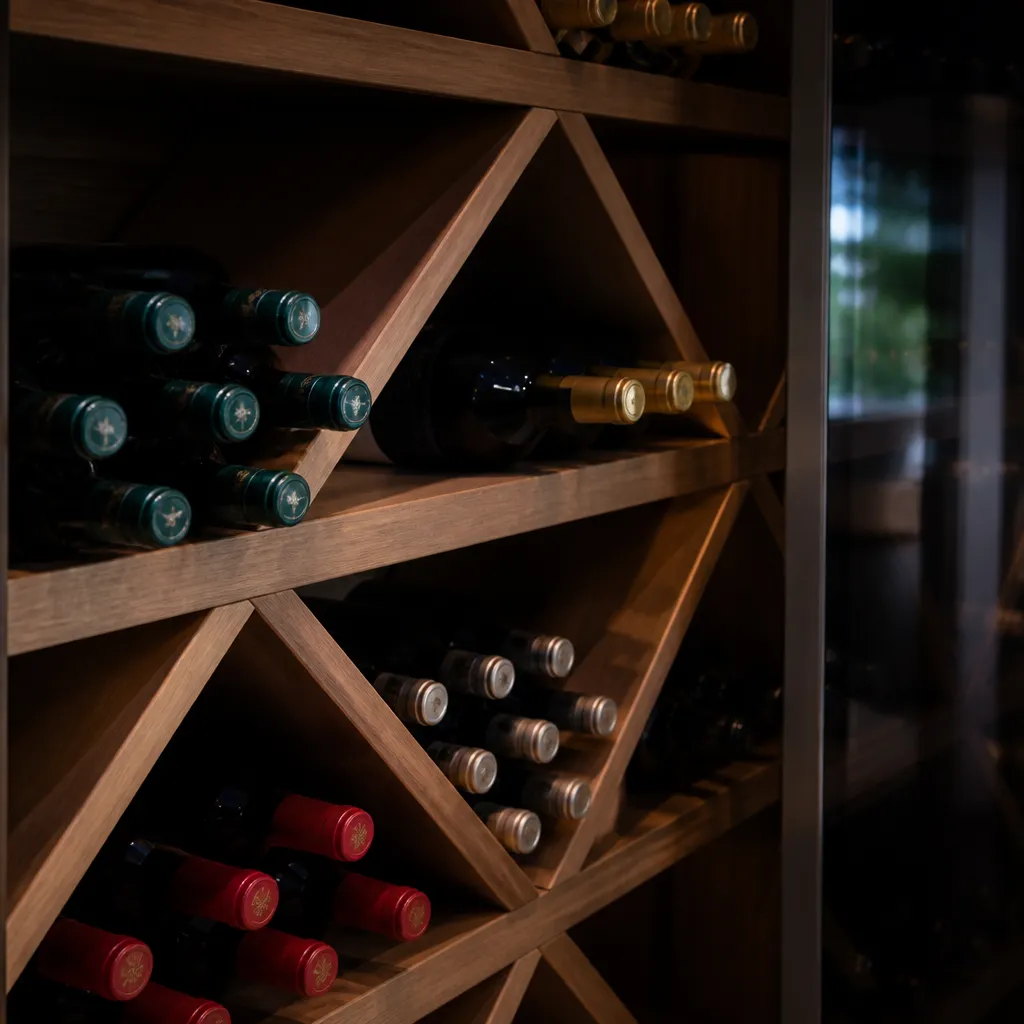
August heatwaves can be far more damaging to wine than many collectors realise. When temperatures rise too high, wine begins to age faster, losing its balance, freshness and aromatic complexity. In the worst cases, heat can push the liquid to expand, weaken the cork and let unwanted air into the bottle. We often think only long-term exposure is dangerous, but even a few very hot days can affect fragile wines if storage conditions are poor. Whether you are keeping a few favourite bottles or managing a larger cellar, you need to stay especially vigilant during summer peaks. By understanding these risks, we can take simple steps to protect your wines and preserve the quality you expect when it is time to open them.
August heatwaves can affect every wine lover, whether you have just started a small collection or already manage a well-stocked cellar. We often think only rare or expensive bottles are at risk, but sudden rises in temperature can harm any wine, changing its balance, ageing potential and overall pleasure in the glass. If you are a beginner, this is the right time to learn a few simple habits that protect your bottles. If you are an experienced collector, extreme summer conditions are a useful reminder to check storage settings, bottle placement and room stability. Wherever you are on your wine journey, we can all benefit from taking extra care when the heat becomes intense.
To protect your bottles during August heatwaves, we recommend keeping wine at a stable temperature of around 12°C, with an acceptable range between 10°C and 14°C. What matters most is not only the number on the thermometer, but also consistency: sudden rises and drops can speed up ageing, alter aromas and, in some cases, push the cork slightly out of place. If your wines are stored above 20°C for too long, they may lose freshness and balance much faster than expected. Whether you are ageing fine bottles or simply keeping a few favourites ready to enjoy, you will give your wine the best chance to evolve well by storing it in a cool, dark and steady environment.
When bottles are exposed to excessive heat, wine can change much faster than you might expect. As temperatures rise, the liquid expands and may push against the cork, letting tiny amounts of air enter the bottle. This extra oxygen speeds up ageing and can flatten aromas, dull the fruit, and upset the wine’s balance. We may also notice cooked or stewed flavours, especially in more delicate wines. If the heat is intense or repeated over several days, the damage can become permanent, even if the bottle later returns to a cooler place. You might also spot signs such as seepage, a raised cork, or a cloudy appearance. In short, summer heat does not just warm your wine — it can quietly alter how it smells, tastes, and evolves.
When temperatures rise and fall repeatedly, wine ages faster than it should. We often think only extreme heat is the problem, but sudden fluctuations can be just as damaging. As the liquid expands and contracts, it puts pressure on the cork, which may let small amounts of air into the bottle. Over time, this speeds up oxidation and weakens the wine’s balance, freshness and complexity. You may notice that bottles once meant for long ageing start to lose their character much earlier than expected. To protect your collection during August heatwaves, we recommend keeping your wines in a space where the temperature stays as stable as possible. For both beginners and seasoned collectors, consistency is one of the best allies of graceful ageing.
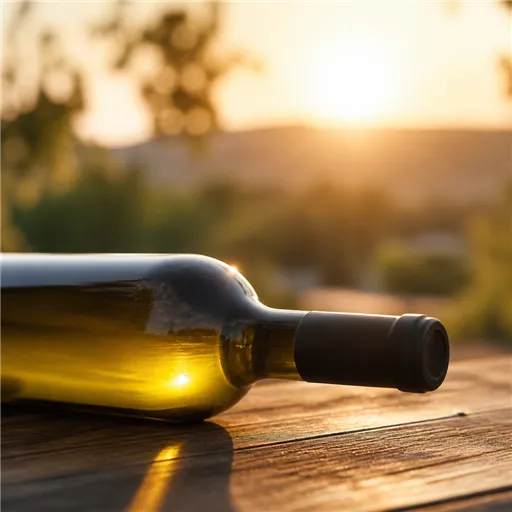
During an August heatwave, we recommend keeping your bottles in the coolest, darkest part of your home. Heat speeds up wine ageing and can quickly damage its aromas, while direct light may alter its balance over time. You can start by checking naturally cooler spaces such as a cellar, an understairs cupboard, a north-facing room, or a shaded corner away from windows. We also suggest avoiding places that warm up fast during the day, like kitchens, conservatories, garages, or lofts. If possible, store bottles low to the ground, where temperatures are often more stable. By choosing a calm, dark spot with as little temperature variation as possible, you help protect your wines and keep every bottle in better condition until it is ready to be enjoyed.
During an August heatwave, one of the biggest risks to your bottles is not just high temperature, but sudden temperature swings. Wine reacts badly to abrupt changes: the liquid expands, the cork can shift, and oxygen may enter the bottle more easily, which can affect aromas, balance and ageing potential. We recommend keeping your wines in the most stable environment possible, even if the temperature is not absolutely perfect. Avoid moving bottles from a very cool room to a much warmer space, and do not place them near windows, radiators or appliances that give off heat. If you need to relocate your wine, do it gradually. By limiting temperature shocks, you help protect both the structure of the wine and the pleasure you will get when you open it.
During an August heatwave, we recommend paying close attention to both bottle position and humidity. If your wine is sealed with a natural cork, store the bottle horizontally so the cork stays in contact with the wine. This helps prevent it from drying out, shrinking and letting air in, which can damage the wine more quickly in hot weather. Humidity matters too: ideally, aim for around 60 to 70% to keep corks in good condition without encouraging mould on labels or shelves. If the air in your storage space feels very dry, a small bowl of water or a humidity control device can help. By keeping bottles stable, lying down and protected from overly dry air, you give your wines a much better chance of ageing safely through the summer.
During an August heatwave, sunlight can raise a bottle’s temperature far more quickly than many wine lovers realise. We recommend keeping your wines well away from windows, conservatories and any spot exposed to direct daylight, even for a few hours. You should also avoid placing bottles near radiators, ovens, boilers or appliances that release heat throughout the day. If you do not have a dedicated wine cellar, choose the darkest and coolest area in your home, such as an interior cupboard or a shaded room with stable conditions. We also suggest using opaque boxes, curtains or UV-protective storage solutions to limit light exposure. By protecting wine from both sunlight and nearby heat sources, you help preserve its aromas, balance and ageing potential.
During August heatwaves, a wine fridge is one of the safest ways to protect your bottles if you do not have a natural cellar. We recommend keeping the temperature stable, ideally around 12°C for long-term storage, and avoiding frequent door opening, which causes sudden fluctuations. You should also check that the fridge is not placed in direct sunlight or too close to a radiator, as external heat makes it work harder. If your model allows it, maintaining suitable humidity helps preserve corks and prevents premature ageing. For collectors with mixed bottles, a multi-zone wine fridge can also be useful, but stability always matters more than serving precision. With a little attention, you can keep your wines safe all summer and avoid the hidden damage caused by extreme heat.
If a heatwave strikes and you do not have a natural cellar, do not panic: we can still protect your bottles with a few quick actions. First, move your wines to the coolest, darkest room in your home, away from windows, radiators and appliances that give off heat. You can also place bottles low to the ground, where temperatures are often more stable. If the heat becomes extreme, an interior cupboard, utility room or even a well-insulated box can offer short-term protection. We recommend avoiding the fridge for fine wines unless it is a temporary emergency, as excessive cold and vibration are not ideal. Above all, try to limit temperature swings. With a little care, you can help your collection stay safe until conditions improve.
In a flat or modern home, the biggest mistake is often choosing convenience over stability. We may be tempted to keep bottles in the kitchen, near a radiator, by a sunny window, or on top of a cupboard, but these spots expose your wine to heat, light, and sudden temperature swings. You should also avoid garages, utility rooms, or balconies during August, as they can become far too hot in just a few hours. Another common error is storing bottles upright for long periods, which can dry out corks over time. If you do not have a natural cellar, the goal is simple: find the coolest, darkest, and most consistent place possible. By avoiding these everyday traps, you give your wines a much better chance of ageing well.
During August heatwaves, we recommend checking your cellar temperature more often than usual, especially in areas near doors, windows or external walls where heat can rise quickly. A simple thermometer is helpful, but a connected sensor gives you a clearer view of daily fluctuations. You should also keep an up-to-date record of where each bottle is stored. This makes it easier to move your most sensitive wines, such as sparkling, white or older bottles, to the coolest and most stable spots. We know that in summer, a well-organised cellar saves time and avoids unnecessary handling. By tracking both temperature and bottle locations, you can react faster, protect your collection more effectively, and keep every wine in the best possible conditions.
During August heatwaves, some bottles in your cellar deserve closer attention because they are more fragile and may be better enjoyed sooner rather than later. We recommend checking your light-bodied reds, delicate whites, rosés and most sparkling wines first, as these styles are often less suited to prolonged exposure to temperature swings. You should also keep an eye on older vintages, wines with natural corks, and any bottle already stored in less stable conditions. If you notice seepage, a pushed cork or unusual ullage, it is wise to move that wine up your drinking list. By reviewing your collection regularly, we can help you protect quality, avoid disappointment and decide which wines to open with confidence before the summer heat takes its toll.
During August heatwaves, staying organised is just as important as keeping your bottles cool. With a cellar management app, we can monitor your collection more easily and help you react quickly if conditions change. You can record where each bottle is stored, track ideal drinking dates, and note which wines may be more sensitive to heat. This avoids unnecessary handling and keeps your cellar layout clear, even during the busiest summer weeks. Many apps also let you add alerts, tasting notes, and stock updates, so you always know what needs attention. For you, it means less guesswork and better decisions. For your wines, it means a calmer, more stable environment when high temperatures put your cellar under pressure.
August heatwaves can put your bottles at risk, but with the right habits, you can protect your wine and enjoy greater peace of mind. We encourage you to check your storage conditions regularly, monitor temperature changes, and act quickly if your cellar or wine space becomes too warm. With Viniou, you can keep a clear overview of your collection, organise your bottles efficiently, and make better decisions during extreme summer weather. Whether you are just starting your wine journey or already managing a serious collection, we help you stay one step ahead. By taking action now, you give your wines the best chance to age well and preserve all their character.

