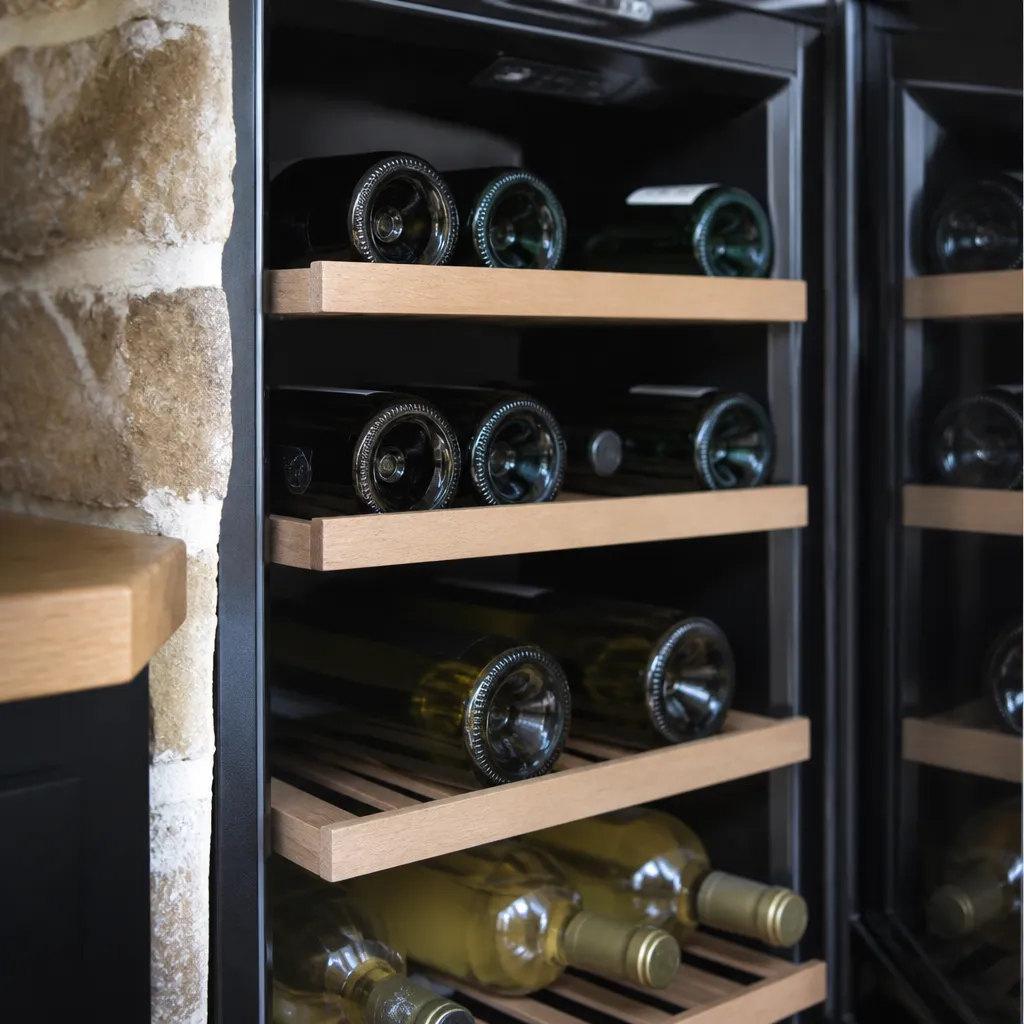
In summer, heat becomes one of wine’s biggest enemies. When bottles are exposed to high temperatures, the wine ages faster than it should, which can dull its aromas, flatten its freshness and upset its natural balance. We often think only extreme heat is the problem, but even repeated temperature rises can slowly damage a wine over time. You may notice fruit flavours becoming cooked, the texture feeling heavier, or the finish losing its precision. Warm conditions can also push the cork, increasing the risk of oxidation. To preserve freshness, we need to keep wine in a stable, cool environment, especially during hot spells. That way, you give each bottle the best chance to evolve gracefully rather than too quickly.
In summer, temperature becomes one of the biggest threats to your wine. We generally recommend storing bottles at a stable temperature between 10°C and 14°C, with around 12°C often seen as the ideal balance. More important than aiming for a perfect number, however, is avoiding sudden fluctuations. When wine gets too warm, it can age too quickly, lose its freshness and see its aromas become unbalanced. If temperatures rise repeatedly above 20°C, the risk of damage increases significantly. We also know that excessive heat can affect the cork, allowing air to enter the bottle and alter the wine over time. By keeping your collection in a cool, consistent environment, you give each bottle the best chance to preserve its character until the right moment to enjoy it.
In summer, one of the biggest threats to your wine is not just heat, but sudden temperature spikes and repeated changes between warm and cool conditions. When a bottle heats up too quickly, the wine expands, the cork can shift, and tiny amounts of air may enter the bottle. Over time, this speeds up ageing and can dull the wine’s freshness and aromas. We often see this happen when bottles are moved between a hot kitchen, a sunny room, or a garage that cools at night. To protect your collection, you should aim for a stable temperature above all else. Even if your storage space is not perfect, consistency will help preserve the balance, flavour, and character of your wines throughout the warmer months.
In summer, heat is not the only threat to your bottles. Light exposure, especially direct sunlight, can alter the wine’s aromas and speed up its ageing. That is why we recommend keeping your bottles in a dark place or inside a closed wine cabinet. Humidity also matters more than many people think. If the air is too dry, corks can shrink and let oxygen in. If it is too damp, labels may peel and mould can appear. We also need to pay attention to ventilation. A poorly aired space can trap heat, moisture and unwanted odours, which may affect storage conditions over time. By choosing a stable, shaded and well-ventilated spot, you give your wines a much better chance of staying fresh and balanced all summer long.
In summer, kitchens, garages and balconies may seem convenient, but they are among the worst places to store your wine. In a kitchen, heat from ovens, hobs and sunlight can quickly raise the temperature around your bottles. A garage often suffers from sharp day-to-night fluctuations, which can disturb the wine’s ageing process. Balconies are even more exposed, with direct sun, hot air and sudden weather changes putting constant stress on the bottle. We recommend avoiding any space where temperature and light are difficult to control. To preserve freshness, you should always choose a cool, dark and stable environment. Even a short period of excessive heat can affect aromas, balance and overall quality more than you might expect.
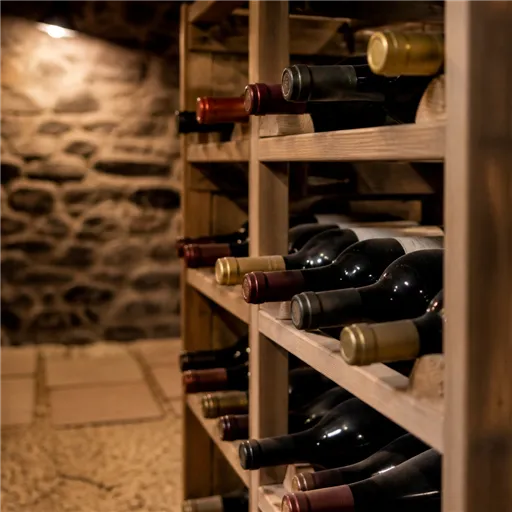
In summer, the best place for your wine is the coolest and most stable spot in your home. We recommend avoiding kitchens, conservatories, garages, or any room that heats up quickly during the day. Instead, look for a dark corner, a cupboard away from appliances, or a north-facing room where temperatures stay as steady as possible. You should also keep bottles away from direct sunlight, radiators, and windows, as heat and sudden changes can speed up ageing and dull the wine’s freshness. If you do not have a cellar, do not worry: even a small, calm space with limited temperature swings is a much better option than a warm, bright room. With a little care, you can protect your bottles all summer long.
To help your wines stay fresh through the summer, we recommend storing bottles horizontally and moving them as little as possible. When a bottle lies on its side, the wine stays in contact with the cork, helping to keep it moist and properly sealed. This reduces the risk of air getting in, which can speed up oxidation and alter aromas. We also advise choosing a stable spot where bottles will not be shaken or handled too often. Repeated movement can disturb the sediment in some wines and affect how they age over time. If you need to check your collection during warmer months, try to do so gently and only when necessary. With a calm, consistent environment, you give your bottles the best chance to keep their balance and freshness.
If you can, a wine fridge or a climate-controlled cellar is one of the safest ways to protect your bottles during summer. We know that heat spikes can quickly tire a wine, flatten its aromas and speed up ageing. By keeping a stable temperature, ideally around 12°C to 14°C, you help preserve freshness, balance and character. You also avoid sudden changes that can push the cork and let air in. If you do not have a full cellar, even a small wine fridge is a smart solution for your favourite bottles. We recommend placing it away from direct sunlight and checking humidity levels when possible. With the right storage conditions, you give your wines the best chance to stay vibrant until you are ready to enjoy them.
White, rosé and sparkling wines are especially sensitive to summer heat, because their freshness and delicate aromas fade quickly when temperatures rise. We recommend storing them in a cool, stable place, ideally between 8 and 12°C, away from direct sunlight and sudden temperature changes. If you do not have a wine fridge, choose the darkest room in your home and avoid keeping bottles in the kitchen or near windows. For sparkling wines, stable storage is even more important, as heat can affect both pressure and flavour. We also suggest chilling these wines gradually before serving, rather than placing them in the freezer. With a little care, you can protect their crisp character and enjoy them exactly as intended, even during the hottest days of summer.
Red wines, especially bottles you plan to age, need extra care during summer. We recommend keeping them at a stable temperature, ideally between 12 and 14°C, because repeated heat spikes can speed up ageing and alter the wine’s balance. You should also store bottles away from direct light and vibration, as both can disturb their development over time. If your red wines are sealed with corks, laying them horizontally helps keep the cork moist and limits the risk of oxidation. Even robust reds can lose freshness and complexity if they are exposed to excessive heat for too long. By giving these bottles a cool, dark and steady environment, you help preserve their structure today and their ageing potential for the years ahead.
When a bottle has been opened, summer heat can quickly dull its aromas and freshness. To keep your wine in good condition, we recommend recorking it straight away and storing it in the fridge, even for reds. A lower, stable temperature helps slow oxidation and preserves the wine’s balance for a little longer. If possible, use a vacuum stopper or an inert gas spray to limit contact with air. We also suggest keeping the bottle upright, as this reduces the surface exposed to oxygen. In hot weather, most opened wines are best enjoyed within one to three days, depending on their style. By taking a few simple steps, you can make sure every glass remains as lively and enjoyable as possible.
During summer, a few visible clues can tell you that a bottle has been exposed to too much heat. We recommend checking the cork first: if it is pushing out slightly, heat may have caused the wine to expand. You may also notice leakage around the neck, a stained capsule, or a lower fill level than expected. Inside the bottle, colour changes can be a warning sign too, especially if a white wine looks darker than usual or a red appears dull and tired. When opened, a heat-damaged wine may seem flat, stewed, or lacking freshness. By keeping an eye on these details, you can spot problems early, protect the rest of your collection, and avoid costly mistakes during the warmest months.
In summer, keeping track of where each bottle is stored becomes just as important as controlling the temperature itself. We recommend noting the exact location of every wine in your cellar or storage space, along with its vintage and ideal drinking window. This helps you avoid unnecessary handling during hot weather, which can disturb the wine and expose it to sudden temperature changes. You can also quickly spot which bottles should be enjoyed sooner if the heat has shortened their ageing potential. By monitoring your collection carefully, you make smarter decisions and reduce the risk of opening a bottle too early or too late. With a clear, up-to-date inventory, you protect both the freshness of your wines and the value of your collection.
During summer, keeping track of your bottles becomes just as important as keeping them cool. With Viniou, we help you organise your cellar clearly and monitor each wine with ease, even when temperatures rise. You can record where every bottle is stored, identify those that are more sensitive to heat, and quickly see which wines should be enjoyed first. This gives you a simple way to avoid unnecessary movement and reduce the risk of exposing your bottles to warm conditions for too long. We also make it easier for you to manage stock, follow drinking windows, and keep your collection consistent throughout the season. In short, Viniou helps you stay in control of your cellar, so your wines remain as fresh and enjoyable as intended.
With Viniou, managing your wine cellar in summer becomes simpler and more reliable. We help you keep a clear view of every bottle, so you can quickly identify which wines are more sensitive to heat and should be enjoyed sooner. From your phone, you can update your inventory, track drinking windows, and organise your collection with ease. You can also record storage conditions and tasting notes, helping you make better decisions throughout the warmer months. Whether you are just starting your cellar or already have a well-established collection, Viniou gives you a smarter way to stay in control. We make wine cellar management more practical, so you can protect your wines' freshness and enjoy them at their best.

