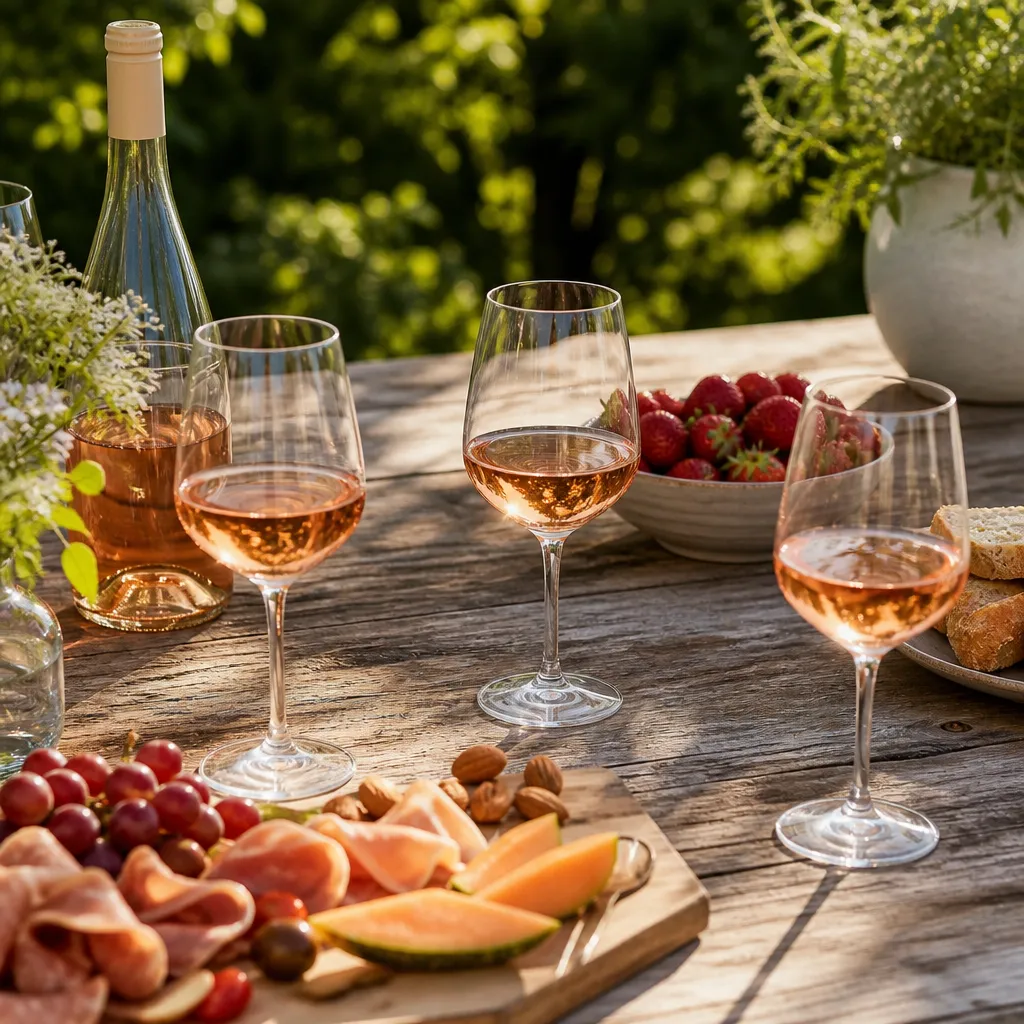
Rosé is a natural choice for a relaxed summer gathering because it feels fresh, easy to enjoy and wonderfully versatile. We love how its crisp fruit flavours, delicate aromas and chilled serving temperature instantly create a light, friendly mood. Whether you prefer pale and dry styles or fruitier bottles, rosé can suit many tastes without feeling too formal. You can serve it with simple seasonal dishes, from salads and grilled vegetables to seafood and sharing boards, making the whole event effortless to organise. For you and your guests, it offers the perfect balance between discovery and simplicity: interesting enough for wine lovers, yet approachable for beginners. In short, a summer rosé tasting helps us bring people together around easy conversation, sunshine and pleasure in the glass.
A simple summer rosé tasting is a lovely way to bring friends together without turning the evening into something formal or complicated. We can focus on what really matters: sharing a few chilled bottles, comparing colours, aromas and flavours, and enjoying relaxed conversation in the garden or on the terrace. You do not need to be an expert to create a memorable moment. With a small selection of rosés, a few light bites and an easy pace, everyone can join in and share their impressions. This kind of tasting naturally creates connection, because it invites curiosity, laughter and discussion. Whether your guests know wine well or are just discovering rosé, you can make the experience feel welcoming, fun and effortlessly sociable.
To keep your summer rosé tasting simple and enjoyable, we recommend choosing a small selection of four to six bottles. This gives you enough variety to compare styles without overwhelming your guests. You can mix different rosé profiles, for example a pale and crisp Provence rosé, a fruitier rosé from the Loire, and a fuller bottle from Spain or Italy. We can also play with grape varieties, sweetness levels, or regions to make the tasting more interesting. If you wish, add one sparkling rosé for a festive touch. By keeping the range focused but varied, you help everyone taste with curiosity and confidence. You will create a relaxed moment where beginners and wine lovers alike can share impressions easily.
To keep your summer rosé tasting relaxed and enjoyable, we recommend inviting between 4 and 8 guests. This number is ideal: large enough to spark conversation, yet small enough for everyone to taste, compare and share impressions without feeling rushed. For the bottles, a simple rule works well: plan on 1 bottle for every 2 to 3 people, depending on whether you are serving food alongside the tasting. If you would like to compare several styles, 3 to 5 rosés are usually more than enough for an easy session. We suggest choosing a mix of profiles, such as a light and crisp rosé, a fruitier one and perhaps a more structured bottle. That way, you give your guests variety while keeping the tasting approachable and friendly.
We do not need a strict, formal tasting sequence to enjoy a summer rosé gathering. Instead, you can keep things simple by serving the wines from the lightest and freshest styles to the fuller, fruitier ones. This helps your guests notice the differences without feeling as though they are in a lesson. You might begin with a pale, crisp rosé, then move to a rounder bottle with more red berry flavours, and finish with a richer style if you have one. If two wines feel quite similar, do not worry too much about the order. What matters most is creating a relaxed rhythm, giving everyone time to taste, compare and chat. We want the tasting to feel easy, friendly and enjoyable from the first glass to the last.
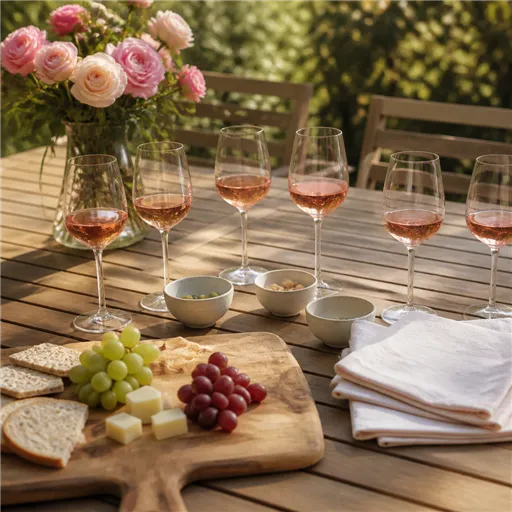
Serving rosé at the right temperature makes all the difference during your tasting. As a simple guide, we recommend serving light, crisp rosés between 8 and 10°C, while fuller, more aromatic styles can be enjoyed slightly warmer, around 10 to 12°C. If the wine is too cold, its aromas will stay muted; too warm, and the freshness can quickly fade. To keep things easy, You can chill the bottles in the fridge for around two hours before guests arrive, then place them in an ice bucket with water and a few ice cubes during the tasting. Outdoors, this step is especially useful on warm days. We also suggest opening each bottle just before serving, so We can enjoy every glass at its brightest and most refreshing.
We do not need a complicated setup to make your summer rosé tasting feel welcoming and well organised. Give each guest one clear wine glass, or ideally two if you want to compare styles side by side without rushing. Keep plenty of fresh water on the table, both for drinking and for rinsing glasses between pours. We also recommend simple essentials such as a spittoon or empty jug, paper napkins, and small cards to note the name of each wine. If you are outdoors, choose a stable tablecloth, shaded spots, and glasses that feel sturdy in the hand. You can also add a few small plates for bread or plain crackers, helping everyone refresh their palate while keeping the focus on the rosé.
To create a warm and friendly summer atmosphere, we can keep the decor simple, fresh, and inviting. You can start with a light tablecloth, a few linen napkins, and natural touches such as wooden boards, wicker baskets, or small jars filled with flowers. Soft colours like white, blush pink, and pale green work beautifully with rosé wines and help set a relaxed mood. If you are hosting outdoors, add fairy lights, candles in glass holders, or lanterns to make the space feel cosy as the evening goes on. We also recommend using clear wine glasses, handwritten place cards, and a small tasting corner to give the event a thoughtful touch without making it feel formal. The aim is to create a setting where your guests feel comfortable, welcome, and ready to enjoy the tasting together.
For a relaxed summer rosé tasting, we can keep the food simple, fresh and easy to share. You can offer light appetisers such as olives, grilled vegetables, soft cheeses or a platter of charcuterie in small portions. Crisp salads with tomatoes, cucumber, melon, feta or fresh herbs also work beautifully, as they echo the bright, refreshing style of rosé. If you would like something a little heartier, grilled dishes are an excellent choice. Think prawns, chicken skewers, salmon or seasonal vegetables cooked on the barbecue. We recommend avoiding sauces that are too spicy or heavy, so the wine stays at the centre of the experience. With a few well-chosen dishes, you help every glass feel more expressive and every guest feel at ease.
For an easy yet crowd-pleasing summer rosé pairing, we can build a generous board with cheeses, charcuterie and Mediterranean-style bites. You can combine fresh goat’s cheese, creamy mozzarella or mild feta with thin slices of prosciutto, saucisson or coppa. Then add olives, marinated artichokes, roasted peppers, cherry tomatoes and a few crunchy breadsticks. These simple flavours work beautifully with the bright fruit, freshness and delicate texture of rosé. We recommend keeping the selection light and varied rather than too rich, so each sip stays refreshing. If you want to make your tasting feel even more relaxed, let guests mix and match their own bites. It is a friendly, colourful way to discover how different rosés shine with savoury summer food.
When it comes to summer rosé, fresh fruit and simple desserts are often the easiest way to keep your tasting light, colourful and relaxed. We can build a lovely finish to the table with strawberries, raspberries, melon, peaches or cherries, served on platters for everyone to share. You can also offer easy desserts such as fruit salad, lemon tart, shortbread biscuits or a light panna cotta, all of which tend to complement rosé without overpowering its delicate aromas. If you are serving a sweeter rosé, ripe berries or a peach-based dessert work especially well. For a drier style, citrus flavours and lightly creamy textures are usually a safe choice. The idea is simple: let the wine stay at the centre, while the dessert brings freshness and pleasure.
Using tasting cards or simple score sheets is an easy way to make your summer rosé tasting more interactive. We can keep things light and fun by inviting each guest to note their first impressions, favourite aromas, colour, freshness, and overall preference. You do not need anything complicated: a printed card with a few clear criteria and space for comments is more than enough. This helps everyone, especially beginners, feel more confident about describing what they enjoy in each wine. You can also add a playful twist by asking guests to choose the best rosé for aperitif time, barbecue dishes, or a sunny afternoon in the garden. At the end, we can compare notes together, spark conversation, and discover how different each palate can be.
A blind tasting is a simple way to add a playful twist to your summer rosé evening. We can hide the labels with paper bags or foil, then pour each wine in the same style of glass so everyone focuses on colour, aromas and flavour. You can invite your guests to guess the grape, the region, or simply which rosé feels the freshest, fruitiest or most elegant. To keep it light and friendly, there is no need for expert knowledge. You can prepare a small scorecard with a few easy prompts, such as notes of red berries, citrus or floral hints. At the end, revealing each bottle often becomes one of the most entertaining moments, and it helps you discover new favourites without being influenced by the label or price.
We do not need to turn your summer rosé tasting into a formal masterclass to make it memorable. The easiest way to encourage conversation is to ask simple, open questions that everyone can answer, whether they know wine well or not. You can invite guests to share which rosé feels the most refreshing, which bottle they would choose for a picnic, or which aroma reminds them most of summer. We also suggest keeping tasting notes light and optional, so no one feels tested. If you like, you can place a few prompt cards on the table to help the discussion flow naturally. This creates a relaxed atmosphere where you can compare impressions, laugh about unexpected flavours, and enjoy the wines together without pressure.
After a relaxed summer rosé tasting, it is worth taking a few minutes to note which bottles truly stood out. We recommend keeping a simple record of each wine, with its name, vintage, producer and a few tasting notes on aromas, freshness or food pairings. You can also ask your guests which rosés they enjoyed most, as this often reveals lovely surprises. By writing everything down while the memories are still fresh, you make it much easier to buy the right bottles again, organise future tastings and build a wine collection that really matches your taste. Whether you use a notebook or a digital cellar tool, the key is to keep your notes clear, useful and easy to revisit.
After your summer rosé tasting, storing any leftover wine properly helps you keep those fresh, fruity aromas for a little longer. We recommend re-corking each bottle straight away and placing it in the fridge, even if it was served chilled outdoors. You can also use a vacuum pump or wine stopper to limit contact with air, which is often what makes opened rosé fade quickly. As a rule, most opened rosé wines are best enjoyed within two to three days. If you would like to stay organised, you can note the opening date in your wine cellar app or on a simple label. That way, you know exactly which bottles to enjoy first and avoid unnecessary waste. With a few easy habits, you and your guests can make the most of every bottle.
After your summer rosé tasting, a cellar management app can make organising your bottles much easier. We can quickly record which wines were opened, which ones were most appreciated, and how many bottles remain. You can also add useful notes such as tasting impressions, ideal serving temperature, or food pairings that worked well during the evening. This helps you build a more personal and practical collection over time. If you enjoy discovering new rosés, an app also lets you track vintages, regions, and drink-by dates, so nothing gets forgotten at the back of the rack. For you, it is a simple way to turn a friendly get-together into valuable cellar knowledge, while keeping your wine collection clear, tidy, and ready for the next occasion.
A summer rosé tasting can be more than a lovely one-off evening. It can become the start of a simple, enjoyable wine habit. With Viniou, we can help you keep track of the rosés you loved, note your guests’ favourites, and remember the food pairings that worked best. You can also organise your bottles, follow your stock, and build a cellar that reflects your taste over time. Whether you are just beginning or already curious to learn more, Viniou makes wine feel easier to explore and more rewarding to share. So after the last glass is poured, you can keep the experience going and turn a friendly get-together into lasting wine memories.

