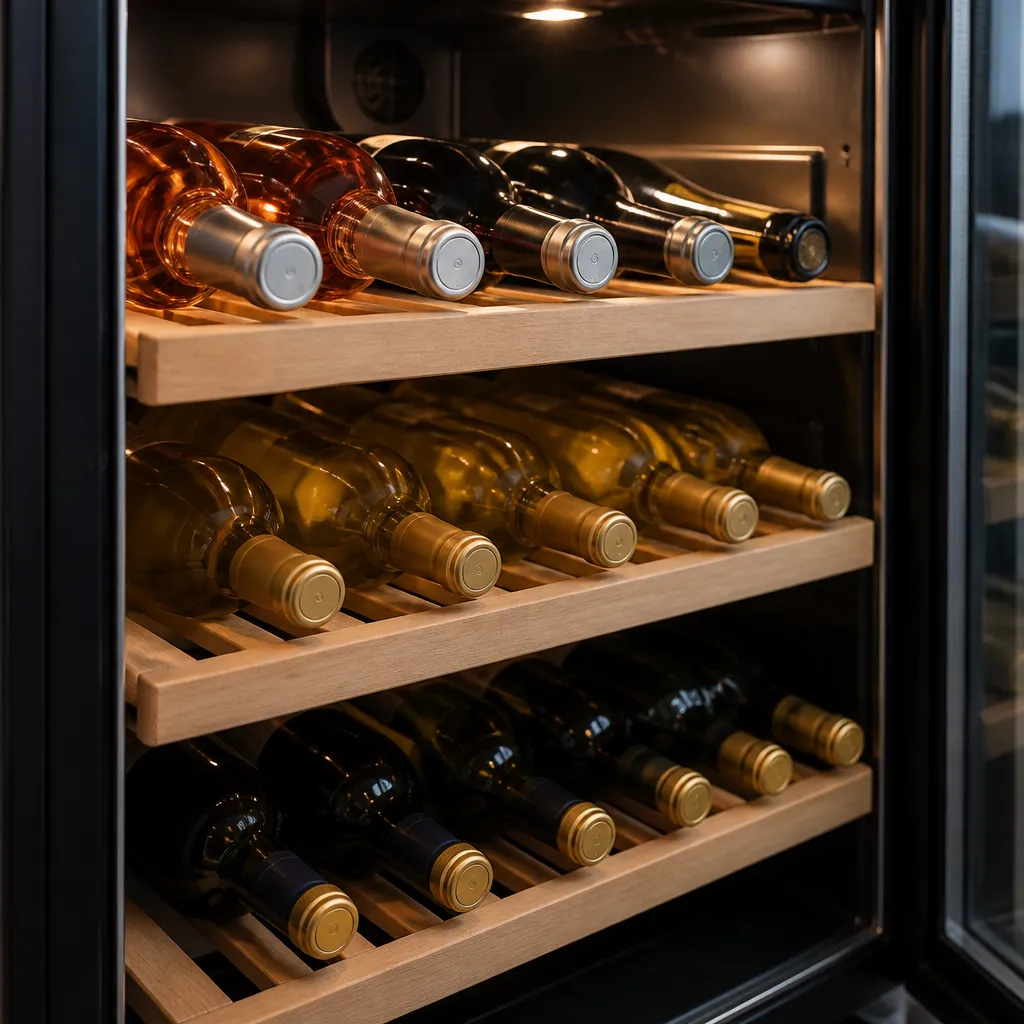
Summer heat can be more damaging to wine than many people realise. When temperatures rise too quickly or stay too high, your bottles can age faster than intended, losing freshness, balance and aromatic complexity. We often think only extreme heat is dangerous, but even repeated temperature swings can weaken a wine’s development over time. You may also notice practical warning signs such as pushed corks, seepage or tired flavours long before the bottle reaches its true potential. If you want to protect both everyday bottles and cherished vintages, keeping wines cool in summer is not just about comfort, but about preserving their character. By understanding these risks, we can make smarter choices and help every bottle evolve in the best possible conditions.
In summer, keeping your bottles cool is essential, but cooling them too aggressively can also disrupt their natural development. We need to find the right balance: a stable, moderate temperature that protects the wine without freezing its ageing process. For you, this means avoiding sudden changes, overheated rooms, and makeshift solutions that expose bottles to repeated stress. A wine stored in the right conditions will keep its freshness, aromas, and structure while continuing to evolve at its own pace. Whether you are building your first collection or managing a more serious cellar, understanding this balance helps you preserve both immediate drinking pleasure and long-term potential.
To keep your wines safe through summer, we need to match storage temperature to the style of wine. As a general rule, red wines develop best around 12-18°C, while white, rosé and sparkling wines are usually more comfortable between 8 and 12°C. Sweet and fortified wines can also benefit from a cool, stable environment, often around 10-14°C. For long-term storage, however, stability matters just as much as the exact number: sudden heat spikes can age a wine too quickly and damage its balance. If you do not have a dedicated cellar, we recommend choosing the coolest room in your home and avoiding kitchens, garages or sun-exposed spaces. With a steady temperature and a little care, you can help every bottle evolve at its own pace.
When summer temperatures rise, we may be tempted to cool our wines as much as possible. Yet for proper wine storage, stability matters far more than extreme cold. Wine develops best when it is kept at a consistent temperature, because repeated fluctuations cause the liquid to expand and contract, which can stress the cork and speed up ageing. For you, this means that a bottle stored steadily at 12–14°C is usually in a better position than one exposed to frequent changes between cool nights and hot afternoons. We should therefore focus less on chasing the lowest temperature and more on creating a calm, even environment. In short, protecting your wine from sudden shifts helps preserve its aromas, balance and ageing potential throughout the summer.
Heat is one of the quickest ways to upset a wine’s natural balance. When bottles are stored too warm, ageing speeds up far beyond what the winemaker intended. We may think a few hot days do no harm, but repeated exposure can flatten fresh fruit, dull delicate floral notes, and push the wine towards tired, cooked aromas. You may also notice the texture becoming less precise, with acidity feeling softer and the overall style less vibrant. In more extreme cases, heat can force the liquid to expand, affecting the cork and increasing the risk of oxidation. By keeping summer wines at a stable, suitable temperature, we help them develop gradually and preserve the character that makes each bottle worth opening.
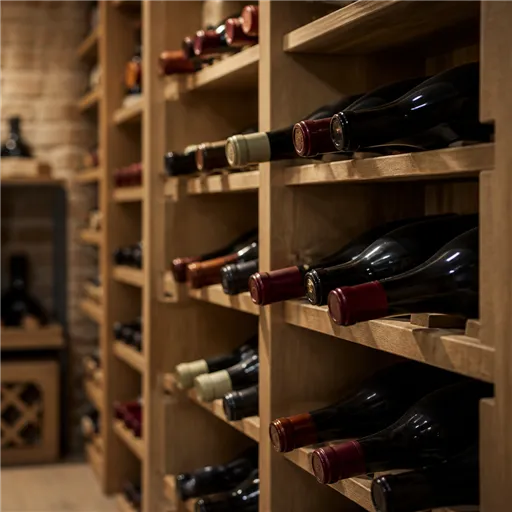
One of the simplest ways to protect your wines in summer is to choose the coolest spot in your home. We recommend looking for a room that stays naturally stable throughout the day, such as a cellar, utility room, pantry or a north-facing space away from direct sunlight. You will want to avoid kitchens, conservatories, garages and any area near ovens, boilers or large windows, where heat builds up quickly. If possible, place your bottles low down, as warm air rises and lower shelves often stay cooler. We also suggest checking the temperature at different times of day, so you can identify the most reliable location. By choosing a calm, shaded and consistent area, you help your wines stay cool without exposing them to sudden changes that could affect their development.
To keep your wines cool through summer without slowing their development, we recommend choosing a storage solution that matches both your space and your collection. If you have a wine fridge, you can maintain a stable temperature and protect bottles from sudden heat spikes, which is essential for preserving balance and ageing potential. If you are lucky enough to have a cellar, even a small one, we can use it to create a naturally calmer environment with fewer temperature swings. For those without either option, insulated storage boxes or thermal covers are a practical short-term alternative, especially during heatwaves. Whatever solution you choose, the goal remains the same: to keep your bottles away from direct sunlight, excessive warmth and abrupt changes that may compromise their evolution.
To keep your summer wines in good condition, we need to think beyond room temperature alone. Direct sunlight can warm a bottle surprisingly quickly and, over time, UV rays may also affect delicate aromas. We recommend storing bottles in a shaded spot, away from windows, radiators and appliances that give off heat. Vibration matters too: if you can, avoid placing wine near a washing machine, speaker or frequently slammed door, as repeated movement can disturb its natural ageing. Sudden temperature changes are just as risky. Rather than moving bottles from a hot kitchen to a very cold fridge, help them cool gradually in a stable space. By protecting your wines from light, vibration and sharp thermal swings, you give them a far better chance to develop as they should.
We often think that the colder a wine is, the better protected it will be. In reality, over-chilling can temporarily mute its aromas, tighten its texture and slow the natural evolution that gives a bottle complexity over time. If you cool a wine too aggressively, especially before returning it to a warmer environment, you also increase the risk of thermal stress. These repeated temperature swings can disturb the balance between fruit, acidity and structure, which matters even more for bottles you plan to keep. To protect both freshness and ageing potential, we recommend aiming for stable, moderate coolness rather than extreme cold. This way, you help your summer wines stay enjoyable now while still developing gracefully in the cellar.
During hot weather, moving wine calls for a little extra care if you want to protect its ageing potential. We recommend keeping journeys as short as possible and avoiding transport during the hottest part of the day. If you can, use an insulated bag or a cooled wine carrier to limit sudden temperature changes. You should also keep bottles lying down and secure, so they are not shaken more than necessary. Once the wine arrives, do not place it straight into an ice-cold space. Let it settle gradually in a cool, stable environment, as abrupt shifts can disturb its balance and slow its natural development. With a few simple habits, we can help your bottles travel safely without compromising their future in the cellar.
Serving summer wines at the right temperature is one of the easiest ways to protect their character while keeping every glass refreshing. We recommend avoiding the temptation to over-chill a bottle, as extreme cold can mute aromas and tighten flavours. Instead, aim for a gentle serving range: around 8 to 10°C for sparkling wines, 10 to 12°C for crisp whites and rosés, and 14 to 16°C for lighter reds. If a bottle has been stored in a cool cellar, let it adjust gradually before serving rather than moving it suddenly from heat to ice. You can also use a wine cooler sleeve or an ice bucket with water for steadier cooling. This way, you keep the wine lively, expressive and true to its development.
During warmer months, we recommend checking both temperature and humidity regularly rather than relying on guesswork. A simple digital thermometer placed at bottle level gives you a more accurate picture of real storage conditions, especially if your cellar, garage or storage space warms up during the day. You should also monitor humidity, ideally keeping it around 60 to 75%, so corks do not dry out and labels are not damaged by excess moisture. If possible, use a device that records daily highs and lows, as sudden fluctuations can be more harmful than a slightly imperfect but stable environment. By tracking these readings consistently, you can react early, protect your wines’ development and keep your collection ageing in the best possible conditions.
During warmer months, knowing exactly where each bottle is stored helps you protect both its quality and its ideal drinking moment. We recommend keeping lighter, ready-to-drink wines in the coolest and most accessible part of your cellar, so you are not searching too long with the door open. At the same time, bottles meant for ageing should stay in the most stable area, away from temperature fluctuations. You can also review peak drinking windows regularly, as heat can speed up a wine’s evolution more than expected. By tracking locations and maturity dates together, you make smarter choices about what to open now and what to leave resting. With a clear cellar map or digital app, you keep control all summer long and give every bottle the best chance to shine.
During the warmer months, keeping a close eye on your cellar becomes essential, and this is where a wine cellar app can make a real difference. We know that temperature spikes, rising humidity or simple oversights can affect how your bottles age. With the right app, you can track your wines, monitor storage conditions and keep a clear view of your collection wherever you are. You can quickly spot changes, organise your bottles by drinking window and make better decisions before summer heat has time to do any harm. For both beginners and seasoned collectors, it is a simple way to stay in control without turning wine storage into a chore. We help you keep everything accessible, so you can protect your wines with more confidence and less stress.
One of the most common summer mistakes is leaving wine in places that seem convenient, but are actually far too unstable. Kitchens often heat up quickly with cooking and sunlight. Garages can swing from cool mornings to very hot afternoons. Cars are even worse, as temperatures can rise dramatically in just a short time. We need to remember that wine develops best in a calm, consistent environment. When bottles are exposed to repeated heat spikes, the wine can age too fast, lose its balance, and even suffer damage to aromas and structure. If you want to protect your bottles, avoid storing them in any space where temperature changes suddenly. We recommend choosing a cooler, darker and more stable place whenever possible.
One of the most common summer mistakes is trying to cool a bottle too quickly just before serving. While it may seem practical, placing wine in the freezer or exposing it to an ice shock can dull its aromas and upset its balance. We recommend cooling your bottles gradually, so the wine keeps its freshness without losing its character. You can place it in the fridge for a short time, or use an ice bucket with water and ice for gentler, more even cooling. If you want your wine to shine in the glass, a little anticipation makes all the difference. By taking your time, you help preserve both the tasting experience and the wine’s development.
One of the most common summer mistakes is to dismiss short temperature rises because they seem harmless. In reality, wine reacts to repeated small heat spikes, even when each one only lasts a few hours. Day after day, these fluctuations can speed up ageing, disturb the balance of aromas, and gradually affect the way your bottles develop. We often focus on dramatic heatwaves, but your wine can also suffer from a room that regularly creeps too warm in the afternoon. That is why we recommend watching patterns over time, not just the highest temperature reached. If you want to protect your collection properly, try to keep conditions as stable as possible, because with wine, consistency matters just as much as coolness.
Building better summer habits is one of the simplest ways to protect your wines over the long term. We know that heat spikes, sunlight and repeated temperature changes can quietly weaken a bottle’s balance, even when the damage is not immediately visible. By checking your storage conditions more often, limiting unnecessary bottle movement and keeping your cellar or wine fridge stable, you give each wine a better chance to develop as intended. You do not need complicated routines to make a real difference. A few consistent actions, repeated throughout the warmer months, can help you preserve freshness, structure and ageing potential. In short, when we stay attentive in summer, you create a healthier cellar and a more rewarding tasting experience later on.
Keeping your summer wines cool is not just about comfort on a hot day. It is also about protecting their balance, aromas and ageing potential. With Viniou, we help you manage your cellar more confidently, whether you are starting out or already building a serious collection. You can track your bottles, organise storage conditions and keep a clear view of what needs attention during warmer months. This makes it easier for you to avoid temperature swings that may affect development over time. If you want a simpler and smarter way to care for your wines all year round, download Viniou and turn good cellar habits into lasting peace of mind.

