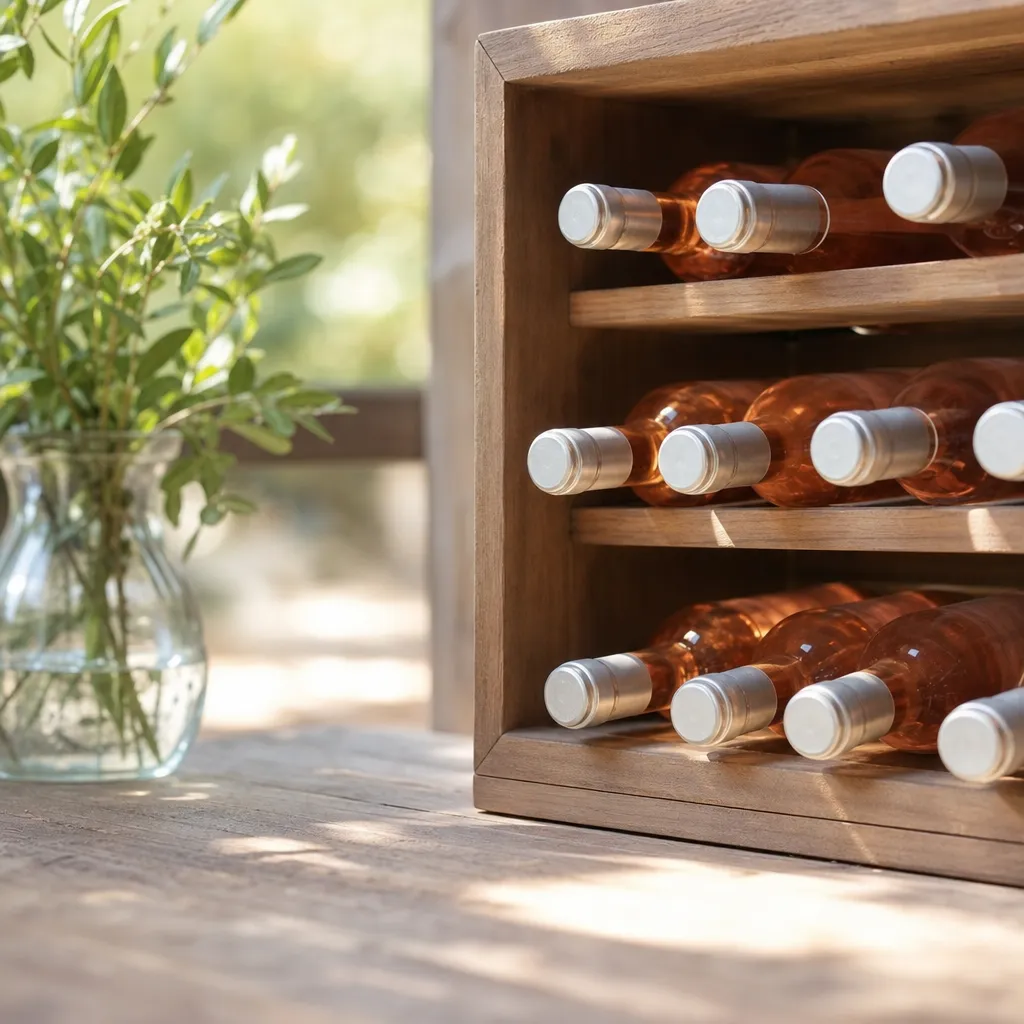
Rosé is made for summer, but it is also one of the most delicate wines to protect when temperatures rise. Heat, light and oxygen can quickly dull its bright fruit, soften its freshness and alter its beautiful pale colour. That is why a bottle that tastes lively in spring can seem flat or tired after just a few hot days. If you want to enjoy every glass at its best, a little extra care makes all the difference. We recommend paying close attention to storage conditions, serving temperature and how long an opened bottle stays exposed. With a few simple habits, you can keep your rosé crisp, aromatic and ready to enjoy all summer long.
Rosé is at its best when it feels bright, lively and effortless in the glass. We often choose it for sunny lunches, garden dinners or relaxed moments with friends, precisely because its freshness and fruit bring instant pleasure. You will notice that a well-kept rosé keeps its crisp aromas, delicate red berry notes and refreshing finish, while poor storage can quickly dull its charm. In summer, heat, light and temperature changes can affect both flavour and enjoyment faster than many people expect. That is why we believe a few simple habits make all the difference. By paying attention to serving temperature and storage conditions, you can enjoy every bottle just as it was meant to be: fresh, expressive and wonderfully easy to share.
To keep your rosé bright and lively, we first need to understand what steals its freshness. Heat is the main enemy: when a bottle gets too warm, aromas fade faster and the wine can lose its crisp, fruity character. Light, especially direct sunlight, also speeds up ageing and can flatten delicate notes. Then comes oxygen. A little air can help a wine open up, but too much quickly dulls the flavours and colour, especially once the bottle has been opened. If we pay attention to these three factors, we give our rosé a much better chance of staying vibrant all summer long. For you, that means fresher aromas, better balance and more pleasure in every glass.
Storage conditions play a major role in how long your rosé keeps its bright aromas and delicate colour. When a bottle is exposed to heat, light or sudden temperature changes, the wine can age too quickly. Fresh notes of strawberry, citrus or peach may fade, while the colour can shift from pale pink to a deeper orange shade. Oxygen also has an impact, especially once the bottle is opened, making the wine taste flatter and less lively. That is why we recommend keeping your rosé in a cool, stable and dark place throughout the summer. If you want to enjoy every glass at its best, you will quickly notice that good storage helps preserve both the freshness in the glass and the pleasure of the tasting experience.
Once a bottle of rosé is opened, it begins to change much faster because oxygen comes into direct contact with the wine. We often notice the first signs within hours: the bright fruit aromas fade, the palate feels flatter, and that crisp, refreshing finish becomes less lively. Warm summer temperatures speed this up even more, especially if the bottle is left on the table or opened repeatedly. You may also find that light and air together make delicate rosé lose its charm sooner than expected. Understanding this helps us act early: recork the bottle quickly, keep it cool, and limit exposure to air. With a few simple habits, you can enjoy every glass with more freshness and keep your rosé tasting just as inviting.
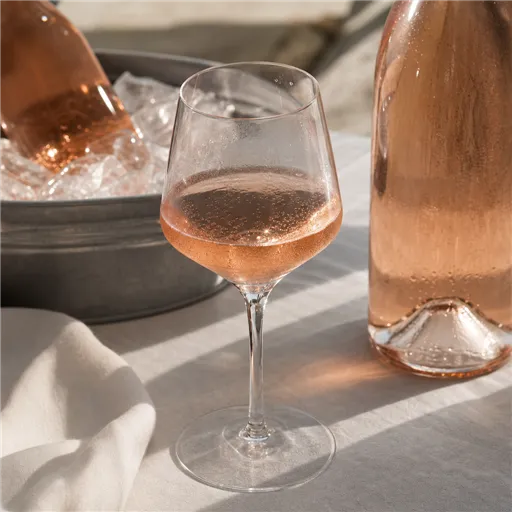
To keep your rosé wines fresh all summer long, we recommend storing each bottle at a stable temperature. Sudden changes in heat can affect the wine’s aromas, balance and overall freshness, even over a short period. Ideally, you should keep rosé between 10 and 14°C in a cool, shaded space, away from direct sunlight and warm rooms such as kitchens or conservatories. If the temperature rises during the day and drops again at night, the wine may age more quickly than expected. We also advise avoiding frequent moves between the fridge and a warmer cupboard. By giving your bottles a calm, consistent environment, you help preserve their crisp fruit character and make every glass far more enjoyable.
To keep your rosé bright, fresh and full of delicate aromas, we recommend protecting every bottle from direct sunlight. Even a few hours near a window, on a terrace or in a warm kitchen can affect the wine’s colour, fruit notes and overall balance. UV rays speed up ageing and heat raises the temperature too quickly, which is never ideal in summer. If you want to enjoy your rosé at its best, store it in a shaded, cool place away from natural light. We also suggest keeping bottles in their original case, a closed cupboard or a wine fridge for extra protection. With this simple habit, you help preserve the crisp style and refreshing character that make rosé so enjoyable all summer long.
To keep your rosé wines fresh throughout summer, we recommend paying close attention to how each bottle is stored. If your rosé is sealed with a cork, it is best to lay the bottle on its side. This helps keep the cork slightly moist, which reduces the risk of it drying out, shrinking and letting air into the wine. Too much oxygen can quickly affect the freshness, fruit and delicate balance that make rosé so enjoyable. If the bottle has a screw cap, you can store it upright without concern. We also suggest avoiding frequent movement, as vibrations and repeated handling can disturb the wine over time. By choosing the right position from the start, you help preserve every bottle in the best possible condition until it is ready to enjoy.
To keep your rosé wines fresh throughout summer, we recommend storing them in a wine fridge or a naturally cool cellar. Rosé is especially sensitive to heat, and repeated temperature changes can quickly dull its aromas and lively character. Ideally, you should keep bottles at a stable temperature of around 10 to 12°C, away from direct light and vibrations. If you enjoy opening rosé regularly, a wine fridge gives you precise control and makes serving easier at the right moment. If you have a cellar, make sure it stays consistently cool, clean and not too dry. By giving your bottles a stable environment, you help preserve their freshness, balance and all the bright notes that make rosé so enjoyable in summer.
To enjoy rosé at its best, serving temperature matters more than many people think. As a general guide, we recommend serving light, crisp rosés between 8 and 10°C, as this keeps their freshness and bright fruit flavours beautifully lively. Fuller-bodied rosés, or more gastronomic styles, are often better slightly warmer, around 10 to 12°C, so their texture and complexity can fully express themselves. If a bottle is too cold, the aromas can seem muted; too warm, and the wine may feel heavy or overly alcoholic. For best results, we suggest chilling your bottle in the fridge for a couple of hours before serving, then letting it sit for a few minutes if needed. With the right temperature, you will bring out everything your rosé has to offer.
To chill your rosé properly, we recommend placing the bottle in the fridge for around 2 to 3 hours before serving. This usually gives you the ideal temperature, between 8 and 12°C, depending on the style of rosé you enjoy. Lighter, fruitier rosés are often best a little cooler, while fuller styles can open up nicely a touch warmer. If your bottle has been stored in a warm room, you may need a little extra time. We also suggest avoiding the freezer for too long, as it can dull the aromas and affect the texture. If you are planning ahead, chilling your rosé slowly in the fridge is the safest way to keep it fresh, balanced and ready for a lovely summer tasting.
If your rosé needs cooling quickly, we recommend methods that lower the temperature fast without shocking the wine. The easiest option is an ice bucket filled with water, ice and a handful of salt: this chills a bottle far more evenly than ice alone, often in under 20 minutes. You can also place the bottle in the fridge for a short burst, but avoid the freezer unless you are timing it carefully, as excessive cold can mute the aromas and dull the fruit. If you are serving guests, chill first and then keep the bottle shaded and upright until pouring. This way, you preserve the wine’s freshness, delicate perfume and lively character while making sure every glass feels crisp and ready for summer.
To keep an opened bottle of rosé fresh for longer, we recommend acting quickly and simply. As soon as you have finished pouring, put the original cork back in firmly, making sure the bottle is well sealed. If the cork is damaged, use a clean wine stopper to limit contact with air, which is the main cause of flavour loss. You should then place the bottle in the fridge, even if the wine was already served chilled. The cool temperature slows oxidation and helps preserve the rosé’s fruity aromas, crisp finish and refreshing style. We also suggest storing the bottle upright, as this reduces the surface area exposed to oxygen. With the right recorking and refrigeration habits, you can enjoy your rosé for another day or two with much better freshness.
If you know you won’t finish your rosé within a day or two, a vacuum pump can be a simple way to keep it fresher for longer. By removing some of the air from the bottle, we help slow down oxidation, which is what dulls those bright summer aromas and crisp flavours. For best results, use the pump as soon as you pour the first glasses, then store the bottle upright in the fridge. If you often open premium rosés, a preservation system using inert gas can offer even better protection, especially for delicate styles. We recommend these tools when you want to enjoy one bottle over several evenings without losing too much freshness. You still won’t stop time completely, but you can gain a little more pleasure from every glass.
Once opened, rosé is usually at its best for 2 to 3 days, provided you store it well. We recommend recorking the bottle straight away and keeping it in the fridge, even if you plan to enjoy another glass later the same day. You will notice that light, fresh rosés tend to fade faster, while fuller styles may hold on a little longer. After a day or two, the fruit can become less vibrant and the aromas less precise, but the wine may still be pleasant to drink. If you are unsure, trust your senses: if the rosé smells flat, tastes dull or has lost its refreshing character, it is past its prime. With the right care, you can make every bottle last a little longer without losing the summer pleasure.
Leaving rosé bottles in the car or out on a sunny terrace is one of the quickest ways to spoil their freshness. Even on a pleasant summer day, temperatures inside a car can rise dramatically in minutes, while direct sunlight can heat the bottle far beyond the ideal serving range. As a result, your rosé may lose its bright fruit, crisp acidity and delicate aromas. We recommend treating rosé like a fragile summer ingredient: keep it shaded, cool and away from sudden heat. If you are travelling, use an insulated bag or cooler, and never leave bottles exposed for longer than necessary. You will preserve the wine’s balance, and every glass will taste as lively and refreshing as it should.
Serving rosé at the wrong temperature is one of the most common summer mistakes. If it is too cold, around fridge temperature for too long, its delicate aromas become muted and the wine can taste flat. If it is too warm, the alcohol feels more noticeable and the freshness quickly disappears. We recommend aiming for a balanced serving temperature, usually around 8 to 12°C depending on the style. Lighter, fruitier rosés can be served a little cooler, while fuller, more structured bottles show better slightly warmer. If needed, you can chill the bottle for 20 to 30 minutes before serving, then keep it in an ice bucket rather than leaving it in direct sun. This way, you enjoy all the crisp, vibrant character that makes rosé so appealing in summer.
One of the easiest mistakes to make in summer is forgetting which rosé bottles have already been opened. We have all done it: a bottle goes back into the fridge after lunch, then gets overlooked for a day or two. In hot weather, that delay matters. Once opened, rosé quickly loses its freshness, fruit and lively character, even if it is kept cool. To avoid waste, we recommend noting the opening date and making opened bottles your priority. You can also use a simple cellar tracking app to see at a glance what needs to be enjoyed first. By staying organised, you help every glass keep its bright, refreshing style and ensure your rosé tastes as good as summer should.
To keep your rosé collection at its best all summer, we recommend tracking both drinking windows and bottle locations. Most rosés are made to be enjoyed young, so knowing which bottles should be opened first helps you avoid missing their freshest aromas and lively fruit. We also know how easy it is to lose track of where each bottle is stored, especially when your cellar, wine fridge or storage space starts to fill up. By noting the exact location of every bottle, you can find the right rosé quickly for a barbecue, picnic or last-minute dinner. With a simple system, you gain a clearer view of your collection, reduce unnecessary handling, and make sure every bottle is enjoyed at the right moment.
Planning summer meals with your rosé wines is one of the easiest ways to keep your collection organised and enjoyable throughout the season. We recommend thinking ahead about the dishes you are likely to serve, from grilled fish and fresh salads to charcuterie boards and light Mediterranean recipes. You can then match each bottle to the right occasion, which helps you chill only what you need and avoid opening wines too early. If you use a cellar management tool, you can group bottles by style, vintage or food pairing to make quick choices when guests arrive. This approach also helps you rotate your stock, enjoy your rosés at their best, and make every summer meal feel simple, fresh and perfectly matched.
A cellar management app can make your summer rosé routine much simpler. Instead of guessing what to chill first or forgetting bottles at the back of the rack, you can see your collection at a glance and keep track of vintages, drinking windows and ideal serving temperatures. We can all be tempted to buy a few extra bottles for warm evenings, but without clear organisation, the freshest rosés may be overlooked. With the right app, you can sort your bottles by style, region or peak freshness, helping you choose the best one at the right moment. You also avoid unnecessary waste and enjoy each bottle as it was meant to be enjoyed. For beginners and seasoned wine lovers alike, it is an easy way to stay organised and keep your rosé collection ready for summer.
Keeping your rosé fresh all summer long is easier when you have the right habits and the right tools. With Viniou, we help you track each bottle, note the ideal serving temperature, and remember when a wine should be enjoyed at its peak. Whether you are building your first wine collection or managing a more serious cellar, you can organise your rosés simply and avoid opening a bottle past its best. You also gain a clearer view of what you own, what to chill, and what to drink first. This way, you can spend less time guessing and more time enjoying every glass. With Viniou, you keep every bottle of rosé ready for sunny moments and shared summer memories.

