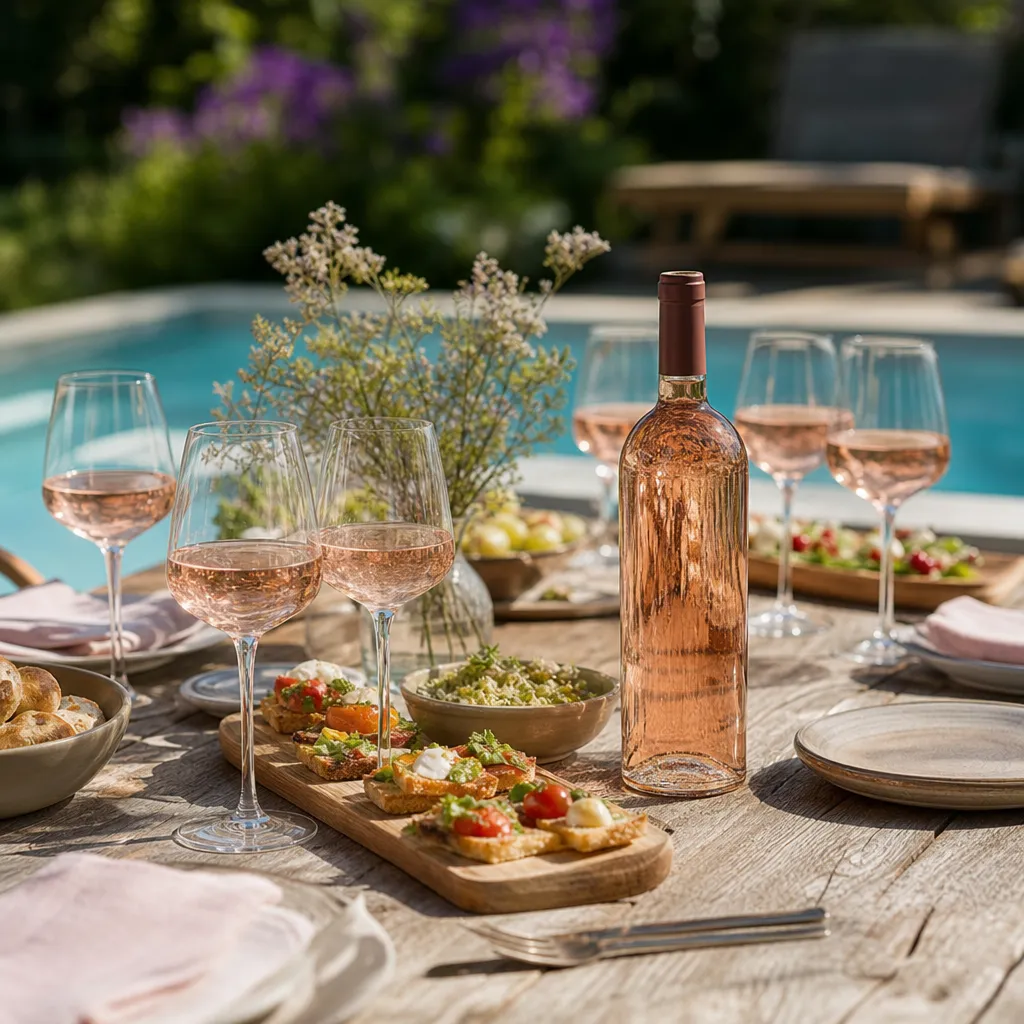
In warm weather, rosé naturally takes centre stage. Its bright fruit, lively acidity and refreshing finish make it an easy choice for a relaxed summer tasting. Whether You prefer pale and delicate styles or bottles with more body and character, rosé offers plenty of variety without feeling heavy on the palate. We also love how well it suits the mood of the season: informal, sociable and full of fresh flavours. Served nicely chilled, it brings out notes of red berries, citrus and flowers that feel especially appealing on sunny days. For You and Your guests, a rosé-focused tasting is therefore both approachable and rewarding, making it easy to compare styles, discover new favourites and enjoy wine in a way that feels light, festive and perfectly suited to summer.
A summer tasting centred on rosé is one of the easiest ways to create a gathering that feels both effortless and special. We can keep the atmosphere light and informal, while still giving your guests a true tasting experience through a thoughtful selection of wines, simple food pairings, and a few refreshing aperitifs. You do not need a formal setting to make it memorable: a shaded terrace, a well-chilled bottle, and a clear tasting order are often enough to set the tone. By inviting guests to compare styles, aromas, and textures, you help everyone take part, whether they are complete beginners or seasoned wine lovers. This balance between relaxation and discovery is exactly what makes a rosé-focused summer tasting so enjoyable and easy to remember.
To create a summer tasting that feels lively and memorable, we recommend selecting a varied range of rosé styles rather than relying on just one bottle profile. You can combine a pale, dry Provence-style rosé for elegance, a fruitier rosé from the Loire or Languedoc for easy drinking, and a fuller, more structured rosé from Spain or Italy to pair with food. If you want to add a festive touch, a sparkling rosé also works beautifully as an aperitif. By offering different colours, aromas and levels of freshness, you help your guests compare styles and discover what they enjoy most. We suggest serving the wines in a thoughtful order, from the lightest and crispest to the richest, so each glass reveals its character without overpowering the next.
To keep your summer tasting lively and well balanced, we recommend offering a mix of sparkling, dry and fruit-forward rosé wines, alongside a few refreshing aperitifs. You can start with a crisp sparkling rosé to set a festive tone, then move to dry styles with citrus, floral or mineral notes that pair beautifully with light seasonal bites. To round things off, include one or two fruitier rosés, with hints of strawberry, peach or raspberry, for guests who enjoy a softer, more expressive profile. We can also add refreshing aperitifs such as a light spritz, vermouth over ice or a chilled bitters-based serve, which bring variety without overwhelming the palate. This simple selection helps you create a tasting that feels both easy to enjoy and thoughtfully curated.
To bring more variety to your summer tasting, we can pair rosé wines with a few light and refreshing aperitifs. You might include a dry vermouth over ice, a spritz with gentle bitterness, or a citrus-forward cocktail with moderate alcohol. The idea is not to overpower the rosés, but to create a lively tasting rhythm and let you compare different styles of freshness. We recommend serving small portions and keeping flavours clean, bright, and balanced. Garnishes such as orange peel, fresh herbs, or a slice of grapefruit can add a festive touch without making the experience feel heavy. By offering a small aperitif selection alongside your rosés, you give your guests more to explore while keeping the atmosphere relaxed, elegant, and perfectly suited to summer.
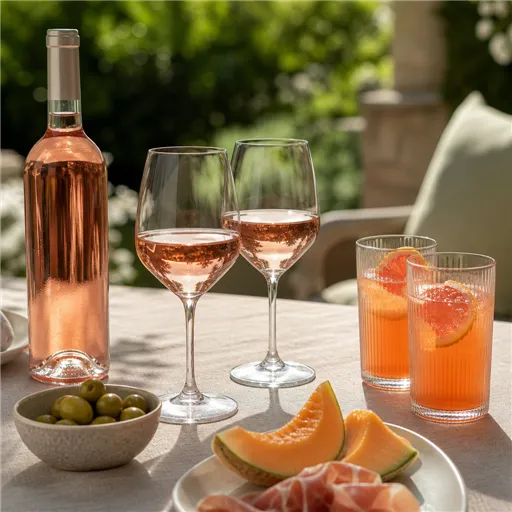
To set your summer tasting up for success, start by choosing a date that feels relaxed and practical. We recommend a late afternoon or early evening slot, when rosé wines and refreshing aperitifs are at their most enjoyable. Next, think about your guest list: a small group of 6 to 10 people often creates the best balance between lively conversation and easy service. You can then decide on the format that suits you best. Will you organise a guided tasting with a clear order of wines, or a more informal aperitif-style gathering with light food pairings? We suggest keeping the structure simple, with enough time for everyone to compare styles, share impressions and enjoy the moment. This way, you create an atmosphere that is both friendly and memorable.
To help each wine show its best side, we recommend serving rosé well chilled, ideally between 8 and 12°C depending on its style: lighter, fruit-driven rosés can be cooler, while fuller, more complex bottles benefit from a slightly higher temperature. For refreshing aperitifs, keep sparkling options crisp and cold, and serve still drinks cool without over-icing them. You will also notice a real difference with the right glassware: choose medium-sized wine glasses for rosé to release delicate aromas, and slender glasses for sparkling aperitifs to preserve freshness. When planning the tasting order, start with the lightest and driest wines, then move towards fruitier, rounder or more aromatic styles. This simple progression helps your palate stay sharp and lets each glass shine naturally.
To keep your summer tasting fun and easy to compare, we recommend preparing a simple tasting note for each rosé wine and aperitif. You can include a few clear criteria such as colour, aroma, freshness, balance and overall enjoyment. A scoring system out of 5 works perfectly: it is quick, intuitive and avoids overcomplicating the experience. We can also leave space for short comments, so you and your guests can note a favourite food pairing, a surprising aroma or the bottle that best matches the mood of the evening. If you wish, print the sheets in advance or use a shared note on your phone. This small step helps everyone take part, compare impressions and remember the highlights afterwards.
When matching rosé with seasonal appetisers, we recommend focusing on freshness, texture and intensity. You can pair a pale, crisp rosé with simple summer bites such as melon, cucumber, radishes, olives or goat’s cheese, which highlight its bright and delicate character. If you are serving a fuller, fruitier rosé, it will work beautifully with tomato tartlets, grilled prawns, charcuterie or marinated vegetables. We also suggest thinking about balance: salty and herbaceous flavours often bring out the wine’s red berry notes, while overly spicy dishes can mask its elegance. By choosing light, colourful and easy-to-share appetisers, you create a relaxed tasting atmosphere and help your guests discover how versatile rosé can be throughout a summer gathering.
To build a summer table that feels both generous and effortless, we can rely on pairings that naturally highlight the freshness of rosé. You can start with soft cheeses such as goat’s cheese, mozzarella or feta, which bring a creamy contrast without overwhelming the wine. Seafood is another safe and elegant choice: prawns, grilled sardines, tuna tartare or a simple platter of oysters work beautifully with lively, fruit-driven rosés. For a more colourful spread, Mediterranean dishes are ideal. Think tomato salads, grilled vegetables, tapenade, herb-roasted chicken or a light niçoise salad. We recommend keeping flavours bright, salty and aromatic rather than too rich or spicy. This way, you create a relaxed tasting experience where each bite helps the wines feel even more vibrant and refreshing.
When balancing flavours between rosé wines and summer aperitifs, we want each element to complement the other rather than compete. If your rosé is light, crisp and citrus-led, you can pair it with delicate bites such as marinated olives, fresh prawns or soft goat’s cheese. If you choose a fruitier, fuller rosé, you can be a little bolder with charcuterie, grilled vegetables or mildly spiced appetisers. We also recommend paying attention to salt, acidity and sweetness: salty nibbles can highlight freshness, while overly sweet or heavily spiced aperitifs may mask the wine’s character. By keeping flavours balanced, you help your guests enjoy both the food and the wine more fully, creating a relaxed and harmonious summer tasting experience.
To estimate quantities accurately, we recommend starting with the length of your tasting and the number of guests. For a summer rosé tasting, allow around half a bottle per person if wine is the main focus, and a little less if you are also serving refreshing aperitifs. We can also vary the formats: a few larger bottles are often practical for a convivial gathering, while standard bottles make it easier to track what has been opened. You should aim for a balanced selection rather than too much volume, with enough chilled bottles ready to serve and a small reserve kept aside. By noting what was actually consumed, you will make future events easier to plan while avoiding unnecessary purchases and keeping your cellar well organised.
To keep your summer tasting smooth and enjoyable, we recommend tracking both opened and unopened bottles from the start. You can group the wines by style, vintage or serving order, then simply note which bottles have been chilled, served or set aside. During the event, this helps you avoid opening duplicates too early and ensures each rosé or aperitif is enjoyed at its best temperature. We also suggest keeping a quick note of what remains in each bottle, especially for sparkling or more delicate wines. After the tasting, you will find it much easier to organise storage, plan future drinking dates and update your wine cellar records. With a simple system, we stay in control while making the experience more relaxed for everyone.
After the tasting, take a few minutes to record your favourites in your wine cellar app. It is a simple habit, but it makes future choices much easier. We recommend noting the name of each rosé, the vintage, the producer, and a few quick impressions: was it crisp, fruity, dry, or ideal with aperitifs? You can also add ratings from your guests, food pairing ideas, and the best serving temperature. This way, you do not rely on memory alone, and you build a personal reference for future summer gatherings. If you manage your bottles with Viniou, you can keep everything organised in one place and quickly spot which wines deserve a place in your cellar again. You turn a pleasant evening into useful, lasting knowledge.
Every summer tasting can do more than create a lovely moment with friends. It can also help you manage your wine cellar more thoughtfully. We recommend noting which rosé styles, serving temperatures, and aperitif pairings you enjoy most, so you can buy with more confidence next time. You can also track which bottles were opened, which vintages are ready to drink, and which wines deserve a place in your collection again. With a simple habit of recording your impressions, you turn pleasure into useful knowledge. At Viniou, we believe that helping you enjoy wine and organise your cellar should go hand in hand. This way, each tasting becomes a small step towards a smarter, more personal, and better balanced cellar.
To take your summer tastings even further, we recommend downloading Viniou to manage your wine cellar with ease. Whether you are discovering rosé wines or already enjoy comparing styles, Viniou helps you keep track of your bottles, vintages and tasting notes in one clear place. You can organise your selections for a sunny aperitif, plan food pairings and always know which wines are ready to serve. We designed Viniou to make cellar management simple, practical and enjoyable for every wine lover. With a better overview of your collection, you can prepare relaxed, well-balanced tastings and make every shared moment even more memorable.

