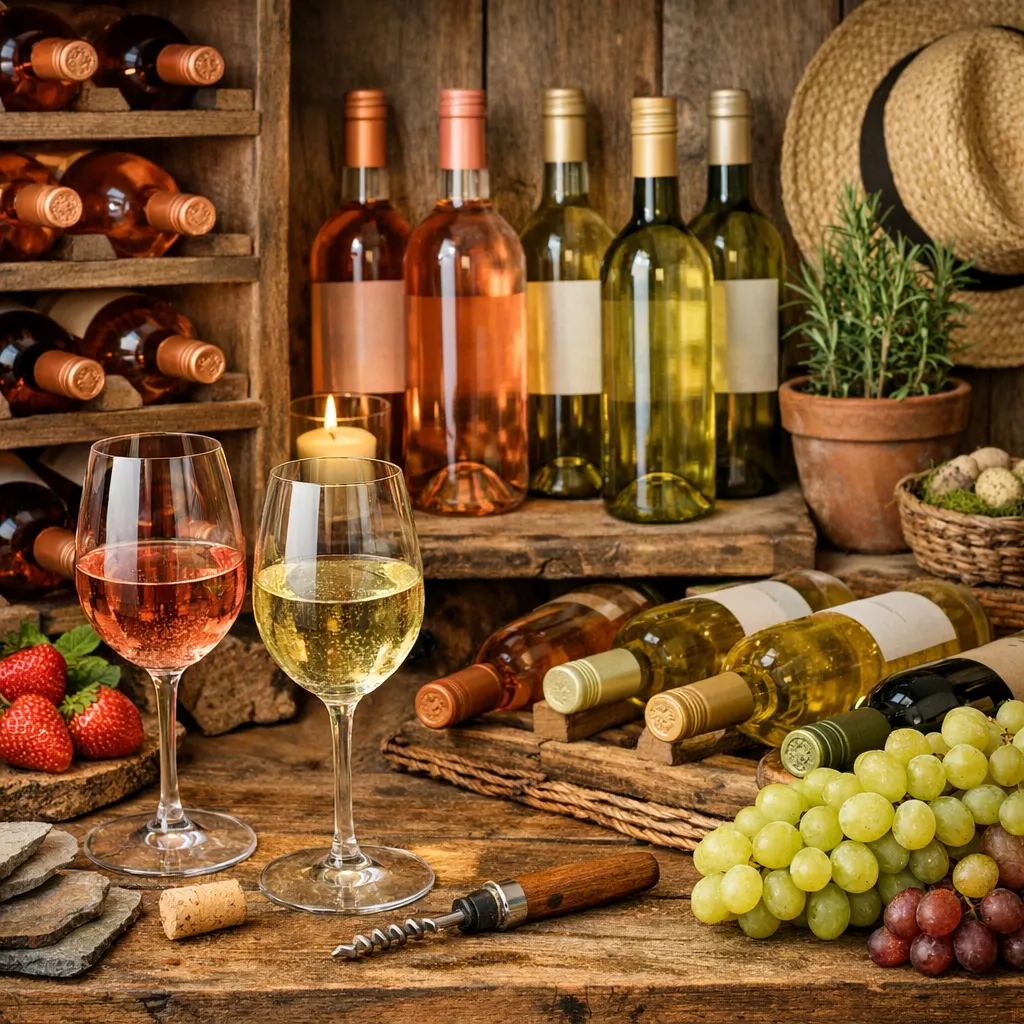
Understanding wine aging is a journey into the heart of what makes wine unique and delightful. When it comes to white and rosé wines, there are nuances that can enhance or diminish your experience based on how they are aged. As we prepare our cellars for the spring, it is essential to understand how these wines evolve over time. Aging doesn’t just soften the flavours; it allows the wine's personality to emerge fully, bringing complexity and depth. Together, we will explore the factors that influence this process, from the grape variety and vintage to cellar conditions. Embrace the excitement of maximizing your white and rosé wines’ potential with us, and let’s make this spring cellar a memorable one!
When we think of aging wines, red varieties often come to mind first, but don't overlook the potential magic in your white and rosé bottles. While commonly enjoyed for their fresh and vibrant profile, certain white and rosé wines can develop extraordinary complexity and depth with some aging. By allowing time to unlock layers of flavour, you might discover surprising notes of honey, nuts, or spices that weren't present in their youth. Aging allows these wines to soften and evolve their aromatic profiles, transforming your spring cellar into a treasure trove of unique tasting experiences. Embrace the journey with us, and let's explore how patience can reveal unexpected richness in these often underestimated wines.
When it comes to aging white and rosé wines, selecting the right bottles is essential to ensuring that your spring cellar blossoms beautifully. Start by considering the grape variety; certain whites like Chardonnay, Riesling, and Viognier, along with rosés crafted from Grenache or Mourvèdre, tend to develop intriguing complexities with age. Look for wines with vibrant acidity and a robust flavour profile, as these characteristics are crucial in preserving their integrity over time. Don't forget to check the wine's vintage and provenance; well-crafted examples often come from reputable regions renowned for wines built to age. Remember, we're not just buying bottles; we're crafting experiences for future enjoyment. Dive into your selection with enthusiasm and open the door to new sensory adventures in your vinous journey!
As we embark on the journey of aging our white and rosé wines, maintaining ideal storage conditions becomes paramount. We need to aim for a consistent temperature, ideally between 10-15°C, to preserve the delicate flavours and nuances. Humidity levels should hover around 70%, preventing corks from drying out and ensuring an optimal seal. Darkness is also crucial; exposure to light can accelerate aging and spoil the wine. We recommend storing bottles horizontally to keep corks moist, which prevents air ingress that can detrimentally affect the wine's quality. Remember, the goal is to create a calm and steady environment, akin to the serenity of a spring garden, allowing our wines to evolve gracefully over time. Let's embrace these simple yet essential practices for a rewarding wine aging experience!
To ensure your white and rosé wines mature gracefully this spring, closely monitoring the aging process is essential. Begin by observing the consistency of your cellar environment; a stable temperature ranging between 10-15°C and around 70% humidity is ideal. Use a digital thermometer and hygrometer to keep fluctuations at bay. Regularly inspect your bottles for signs of leakage or cork damage, as these can compromise the wine's quality. Tasting periodically is key; it allows you to track the development of flavours and decide the optimal time for enjoyment. Remember, each bottle has its own pace, so trust your senses and enjoy the journey of developing your wine collection.
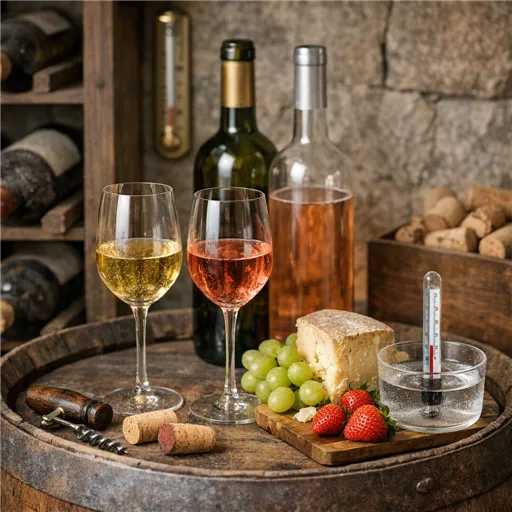
As spring arrives, temperature changes can significantly impact the aging process of your white and rosé wines. During this season, our cellars can experience fluctuations, which might be detrimental if not properly managed. Ideally, we aim to maintain a consistent temperature to preserve the delicate balance of flavours in our wines. A sudden spike could accelerate aging, risking the development of unwanted aromas. Investing in a reliable cooling system or monitoring devices can help maintain an optimal environment. Remember, it’s not just about avoiding heat but ensuring that the temperature remains stable. With care and attention, we can ensure our wines mature gracefully into the summer months, retaining their crisp and refreshing qualities. Trust in your cellar’s ability to nurture, under conditions adjusted to embrace the season’s unique challenges.
As spring breathes new life into nature, it also poses unique challenges for our wine cellars. The transition to warmer, more humid weather can significantly impact the ageing process of your white and rosé wines. Humidity is a key player here, and maintaining an appropriate level is crucial to preserving your bottles. Ideally, you want to aim for a humidity level between 50% and 70% to prevent corks from drying out or becoming too moist. High humidity can cause labels to peel, while low levels can lead to cork shrinkage, allowing air to seep into your bottles and spoil the wine. By carefully monitoring the hygrometer, you ensure that your spring cellar offers the perfect conditions for your white and rosé wines to gracefully age, helping you relish each sip of your collection for years to come.
Spring brings with it a fresh beginning for everything, including the art of wine selection for your cellar. As temperatures rise and nature awakens, it's an ideal time to focus on choosing white and rosé wines that not only complement the season's zest but also promise a rewarding aging process. When selecting wines for spring, look for varieties with bright acidity and vibrant fruit profiles, such as Sauvignon Blanc or a crisp Rosé. These characteristics not only enhance the immediate enjoyment but also ensure a graceful maturation if you intend to age them over the longer term. Remember, our goal is to find that perfect balance where the wine's freshness and structure will flourish as the seasons change. By carefully choosing wines that resonate with the spring environment, you prepare your cellar for a delightful and refreshing transformation.
In conclusion, ageing your white and rosé wines is an exciting journey that can enrich your palate and enhance your appreciation for these delightful beverages. As spring breathes new life into your cellar, remember that the key to successful ageing lies in understanding the unique characteristics of each wine, paying attention to factors like temperature and humidity. With careful planning, your wines can transform, revealing deeper flavours and subtle nuances. Whether you are a newcomer or a seasoned enthusiast, trust in your senses and enjoy the process. After all, the beauty of wine lies in its ability to evolve and surprise us with every sip. Let's embrace this transformation together, savouring the fruits of our labour with each cork we pop.
As we wrap up our spring cellar journey, it's essential to embrace tools that can enhance our wine management experience. Viniou is your perfect companion for optimal wine organisation. Whether you're a novice just starting to explore the world of wine or an experienced aficionado fine-tuning your collection, Viniou provides personalised guidance to ensure your white and rosé wines reach their full potential. With its user-friendly interface, inventory tracking, and expert recommendations, Viniou makes it easy to manage your wines, enabling you to focus on enjoying every sip. Let us simplify your wine ageing process, so you can savour the results of a well-curated cellar.

