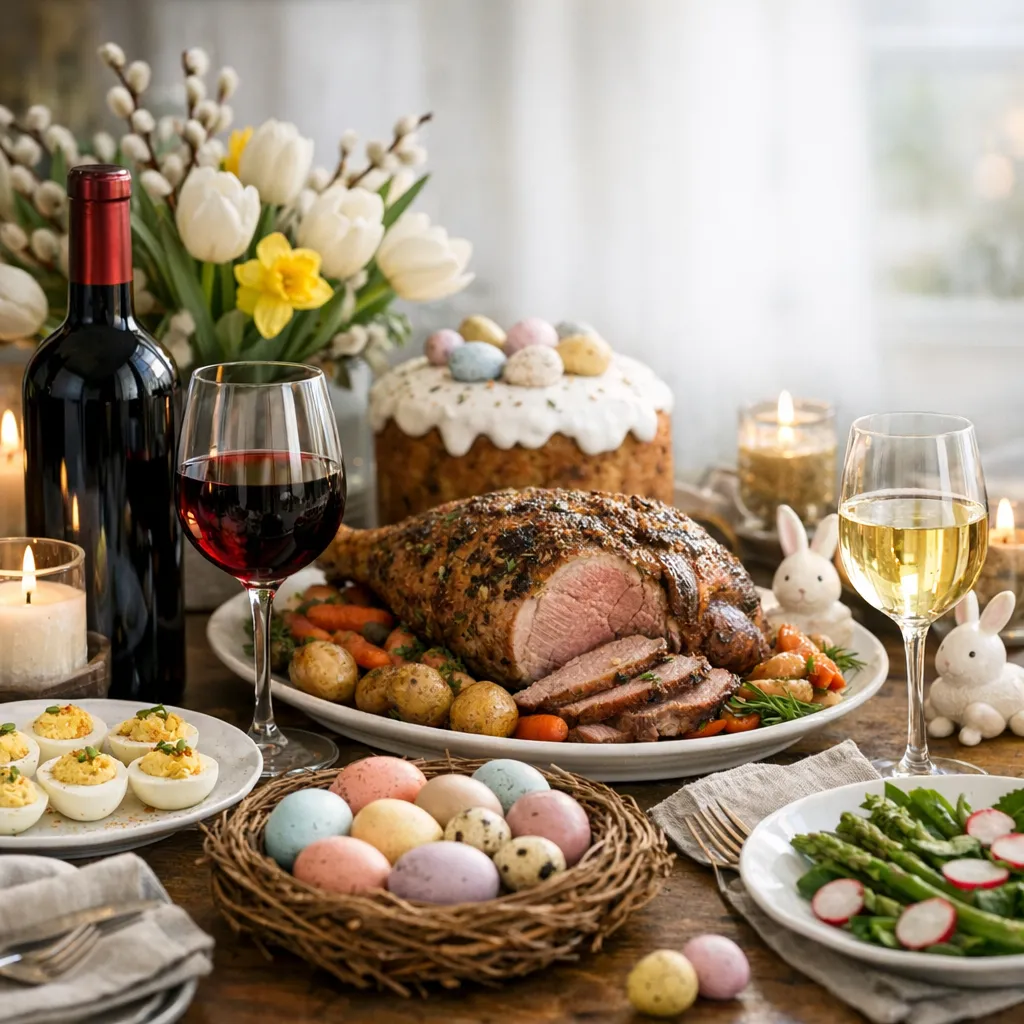
As we gather around the table to celebrate Easter, choosing the right wine can transform our meal into a memorable feast. Wine not only enhances the flavours of traditional Easter dishes, but also adds a touch of sophistication to the occasion. Whether you're sharing a succulent roast lamb or a tender glazed ham, the perfect wine pairing elevates each bite. At Viniou, we believe that selecting a wine for Easter is about more than just taste; it's about creating the perfect atmosphere for cherished moments with loved ones. Join us as we explore how the right wine can complement your Easter meal and make this season's celebration truly special.
As we gather around the table to celebrate Easter, we often find ourselves immersed in a delightful array of traditional dishes that vary from roasted lamb to glazed ham, each bursting with flavour and rich history. Choosing the right wine to accompany these festive meals can truly enhance the culinary experience. Whether you're a beginner or a seasoned wine enthusiast, understanding how to pair wine with your Easter feast doesn't have to be daunting. By considering the flavours and aromas of both the food and the wine, you can create harmonious combinations that will delight your taste buds and impress your guests. Together, let's explore the art of wine pairing, making your Easter celebration even more memorable.
When deciding between red, white, or rosé wine for your Easter meal, knowing the characteristics of each can enhance your dining experience. Red wines, often rich and robust, pair well with hearty dishes like lamb or roast, where their tannins complement the meat's flavours. Meanwhile, white wines, with their crisp acidity, match beautifully with lighter fare such as fish or chicken, bringing out subtle nuances in these dishes. Rosé wines, versatile and refreshing, can bridge the gap, offering a balance that suits various flavours on your table. By considering the primary dishes you plan to serve, you can select a wine that not only complements but elevates your Easter meal.
When choosing a wine to complement your Easter meal, understanding the complex role of tannins, acidity, and body can make all the difference. Tannins, found in red wines, give structure and can add a desirable bitterness or astringency that pairs beautifully with rich meats like lamb. Acidity, on the other hand, provides a refreshing quality that enhances the flavours of lighter dishes, acting like a squeeze of lemon to brighten the palate. Finally, the body of the wine—its weight or fullness in your mouth—can either harmonise with or contrast against your meal. A light-bodied wine might suit a delicate fish dish, while a full-bodied one could perfectly balance a hearty roast. By grasping these elements, you can confidently choose a wine that elevates your Easter feast to new heights.
When selecting the ideal wine to complement your Easter feast, understanding the sweetness level is a crucial step. Wines can range from dry to sweet, and knowing where they fall on this spectrum helps in pairing them perfectly with your meal. Dry wines, such as a crisp Sauvignon Blanc, contain little to no residual sugar, creating a palate-cleansing effect that works beautifully with savoury dishes like roasted lamb. On the other end, sweet wines, like a luscious Moscato, are rich in sugar content, making them a delightful match for desserts or dishes with sweet elements. By identifying whether you prefer dry or sweet wines, you can ensure that your wine choice elevates every bite, enhancing your Easter dining experience with family and friends.
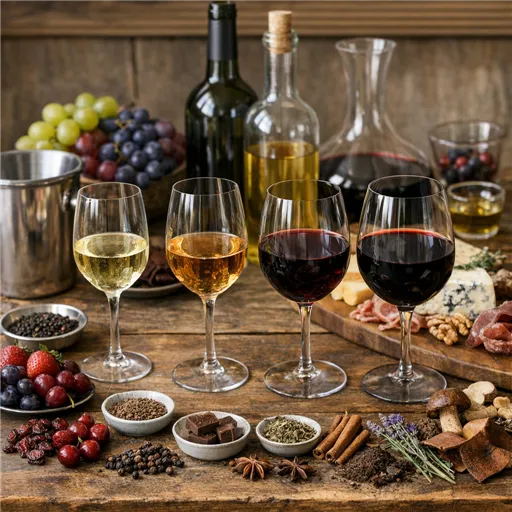
When it comes to pairing wine with lamb dishes for Easter, think robust and full-bodied. As we indulge in the succulent flavours of a beautifully roasted lamb, a red wine like a Cabernet Sauvignon or a Syrah can really elevate your dining experience. These wines, with their rich tannins and dark fruit notes, complement the savoury and sometimes slightly gamey taste of lamb perfectly. If you prefer something a bit more unexpected, a Grenache could provide a delightful twist with its fruit-forward profile and spice notes. Remember, the key is harmony, ensuring that the wine balances the flavours of the dish while enhancing its richness. So, as you plan your Easter meal, don't hesitate to venture beyond the usual choices and explore a variety of red wines to find your perfect match.
When it comes to enhancing your Easter meal, choosing the right wine for fish and seafood is all about balance and harmony. Easter often features dishes like salmon, trout, or shrimp, and these lighter options pair beautifully with crisp white wines. Opt for a Sauvignon Blanc or a Pinot Grigio, as their zesty notes elevate the delicate flavours of seafood without overpowering them. If you lean towards shellfish, like crab or lobster, a buttery Chardonnay can add a pleasing richness. Remember, the key is to complement, not compete, with your dish's flavour profile. By selecting wines with similar intensity, you'll create a dining experience that delights and refreshes your palate. Together, we can ensure your Easter celebration is nothing short of extraordinary.
When it comes to pairing wine with vegetarian and vegan Easter dishes, the goal is to enhance the natural flavours of your plant-based meal while providing a refreshing contrast. A lovely white wine such as a Sauvignon Blanc offers crisp acidity and notes of citrus and green apple, which beautifully complement fresh spring salads and vegetable tartlets. If you're leaning towards earthy dishes like mushroom risotto or grilled asparagus, a light-bodied red wine such as a Pinot Noir offers a subtle depth with its cherry and spice notes. Remember, the key is to find a wine that adds harmony to your feast, making each bite and sip a delight. So, explore and experiment with these pairings, and you'll surely find the perfect wine to elevate your Easter table.
As we gather around the table to celebrate Easter, ensuring that each wine is served at its ideal temperature can truly elevate the meal. Red wines, such as Merlot or Pinot Noir, are best enjoyed slightly below room temperature, around 15-18°C. Whites like Sauvignon Blanc or Chardonnay should be chilled, ideally between 7-12°C, to truly bring out their flavours. Don't forget about glassware – it can make a difference! Using the right glass releases the wine's aromas and flavours, intensifying the experience. For reds, a glass with a larger bowl allows for better aeration, while whites benefit from a narrower design to concentrate their aromatic notes. Together, let's make your Easter feast not just a meal, but a memorable occasion with these thoughtful touches.
When it comes to enhancing your Easter wine experience, decanting and aerating your wines can make a significant difference. By decanting, we allow wines, especially reds, to separate from any sediment and open up their bouquet. This process involves gently pouring the wine into a decanter, letting it breathe, and enhancing flavours and aromas. For wines that are younger and not too tannic, aeration can bring out their nuances more quickly by increasing their contact with oxygen. With these simple steps, you'll notice a remarkable change in the wine's profile, allowing you and your guests to fully appreciate its character. Whether you're a seasoned wine enthusiast or just beginning your journey, consider these techniques to elevate your Easter meal and savour the wine's full potential.
While Easter provides a delightful occasion to uncork a new bottle of wine, it's important to know how to properly preserve any leftover wine to continue enjoying its flavours in the days to come. Once a bottle is opened, its delicate aromas and flavours start to transform due to oxidation. To preserve these qualities, we recommend sealing the bottle with a wine stopper or even transferring the contents into a smaller, airtight container to minimise exposure to air. Storing the wine upright in your fridge can further extend its life, keeping it enjoyable for up to three days. Some red wines may prefer a cool, dimly lit place instead of the fridge, so be sure to cater your storage approach to the type of wine you have. By doing this, you ensure every leftover sip remains as delightful as the first!
As we wrap up our exploration of Easter wine pairing, it’s clear that the perfect bottle can truly elevate your festive meal. Whether you’re a seasoned connoisseur or just beginning your wine journey, trust your palate and don't shy away from experimenting. Consider the flavours and ingredients of your Easter feast, from succulent roasts to vibrant spring vegetables, to guide your choices. Remember, there are no strict rules—delight lies in discovering combinations that bring you joy. Let this occasion be a celebration of taste, encouraging conviviality and unforgettable experiences. Ultimately, the best wine is the one you enjoy in good company. Cheers to a memorable Easter gathering!
As we wrap up our journey to find the ideal wine for your Easter meal, we invite you to delve deeper with Viniou. Our platform offers a world of wine knowledge, perfect for both novices and seasoned enthusiasts. Here, you can explore tailored recommendations and expert tips to enhance every wine experience. Whether you're looking to expand your collection, learn more about wine pairings, or refine your tasting skills, Viniou is your go-to resource. Join our community and let us guide you in discovering the full potential of your wine cellar. Start your vinous adventure today and celebrate Easter with a glass that truly complements your feast!

